Trying to choose between a condo and a townhome in Midtown Atlanta? You are not alone. Both options offer great access to Piedmont Park, the Atlanta BeltLine, and MARTA, but the day-to-day experience and costs can feel very different. In this guide, you will learn how ownership, fees, maintenance, parking, amenities, financing, and resale play out in Midtown, plus a simple cost example and a buyer checklist. Let’s dive in.
Midtown fit: lifestyle and location
Midtown is one of Atlanta’s most walkable urban neighborhoods with quick access to Piedmont Park, the BeltLine, and MARTA stations at Arts Center and Midtown. If you want low-maintenance living with on-site amenities, a condo may fit well. If you prefer a private garage and more space with a house-like feel, a townhome may be your match.
Proximity to Piedmont Park and the BeltLine often boosts demand for both property types. That said, more visitors and events can increase street noise and parking demand on nearby blocks. Your ideal fit depends on how you plan to use the neighborhood and how much privacy you want.
Ownership and governance
Condo ownership
In a condominium, you hold title to your individual unit’s interior space and share undivided ownership of common elements such as hallways, the exterior, roof, elevators, and amenities. A condominium association enforces covenants, collects monthly assessments, manages reserves, and maintains common areas.
Townhome ownership
Townhomes in Midtown can be structured in different ways:
- Fee-simple ownership where you own the land and structure. You are often responsible for the exterior and roof. An HOA may still handle common landscaping or private streets.
- Townhomes under a condominium regime where governance and maintenance resemble a condo, even though the building style is attached vertical units.
- Master association plus sub-association setups in planned developments.
The practical takeaway: a “townhome” label does not guarantee fee-simple ownership. Always confirm responsibilities in the recorded declaration and deed.
Georgia context
Georgia law outlines how condominium and homeowners associations operate, including disclosure and owner rights. Before you commit, review the association’s declaration, bylaws, rules, current budget, reserve study, financial statements, and recent meeting minutes. If you need help interpreting documents, consult a local real estate attorney or your agent.
Monthly costs and fees
What fees typically cover
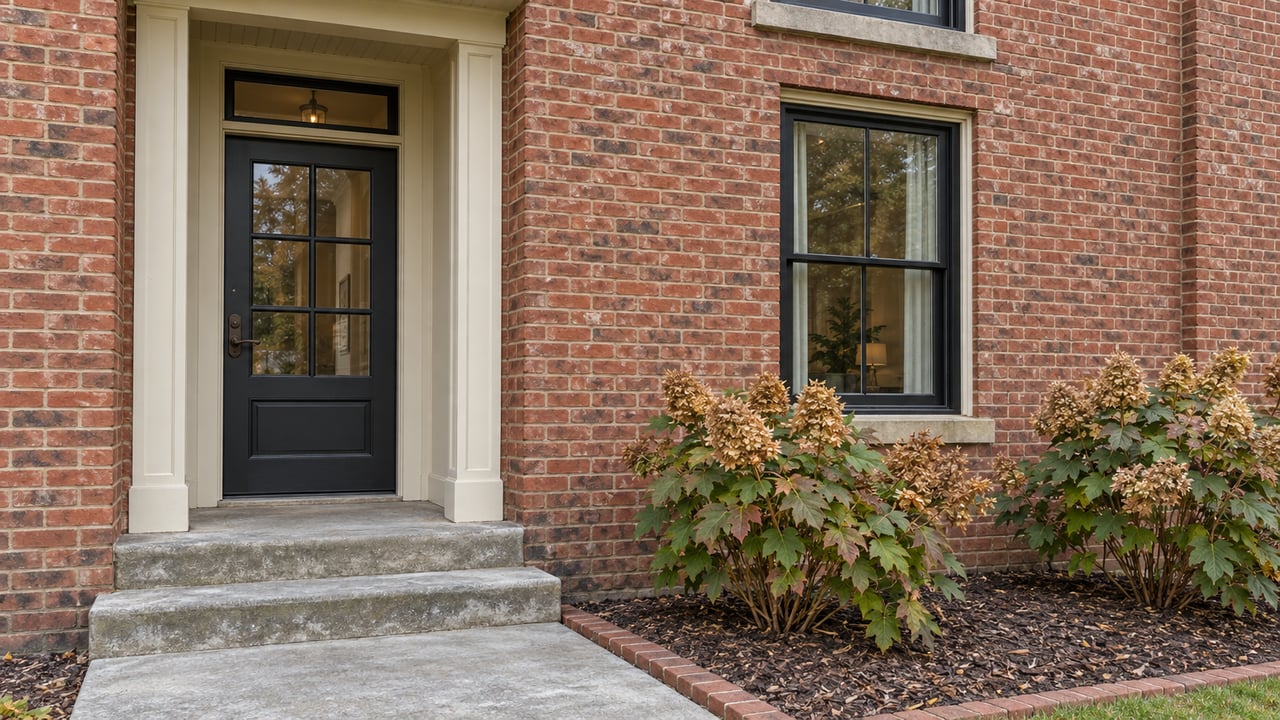
- Condos: Fees often cover exterior and common-area maintenance, elevators, lobbies, landscaping, security, trash, water for common areas, and amenities such as fitness centers or pools. Some buildings include certain unit utilities like water or sewer. A portion of master insurance and reserves is often included.
- Townhomes: If there is an HOA, fees may cover landscaping, private streets, and limited exterior work. Fees are often lower than high-amenity condos, but this varies by development and services.
Typical Midtown ranges
- Midtown condos: Dues commonly fall in the mid-hundreds to low-thousands per month, with higher fees in full-service, high-amenity buildings.
- Midtown townhomes: HOA fees are often lower and can be a few hundred dollars per month or less. Some fee-simple townhomes have minimal or no HOA dues.
These are general guidelines. Always verify current fees and what they include on the specific property you are considering.
Taxes and special assessments
Property taxes are assessed by Fulton County, with City of Atlanta millage also applying. Bills vary with assessed value, exemptions such as the homestead exemption, and millage changes. Associations can levy special assessments for capital projects or reserve shortfalls. Review the reserve study and assessment history to avoid surprises.
Insurance differences
- Condos: The association carries a master policy for common elements and sometimes structural elements of units. You will typically need an HO-6 policy for interior improvements, personal property, and liability.
- Townhomes: Fee-simple owners usually carry an HO-3 or HO-5 policy that covers the structure, interior, personal property, and liability. Confirm coverage boundaries if the HOA insures any exterior elements.
Maintenance responsibilities
- Condo owners generally have fewer exterior responsibilities. The association handles the exterior, roof, and common areas, which can simplify upkeep.
- Townhome owners often handle more of the exterior and roof, plus any private yard, driveway, and garage, unless otherwise stated in the governing documents. This can increase your maintenance time and costs.
Parking and storage
Condos in Midtown
Many Midtown condo buildings offer assigned, covered parking in a garage. Some include spaces in the monthly fee while others charge separately. Guest parking is often limited, which matters for frequent visitors. Storage lockers may be available in some buildings.
Townhomes in Midtown
Townhomes typically include private one or two-car garages and may have driveway space. This can be a major advantage if you own multiple vehicles or want extra storage. If street parking is important for guests, check City of Atlanta permit and street rules for the specific block, especially near Piedmont Park or the BeltLine where demand is high.
Amenities and lifestyle
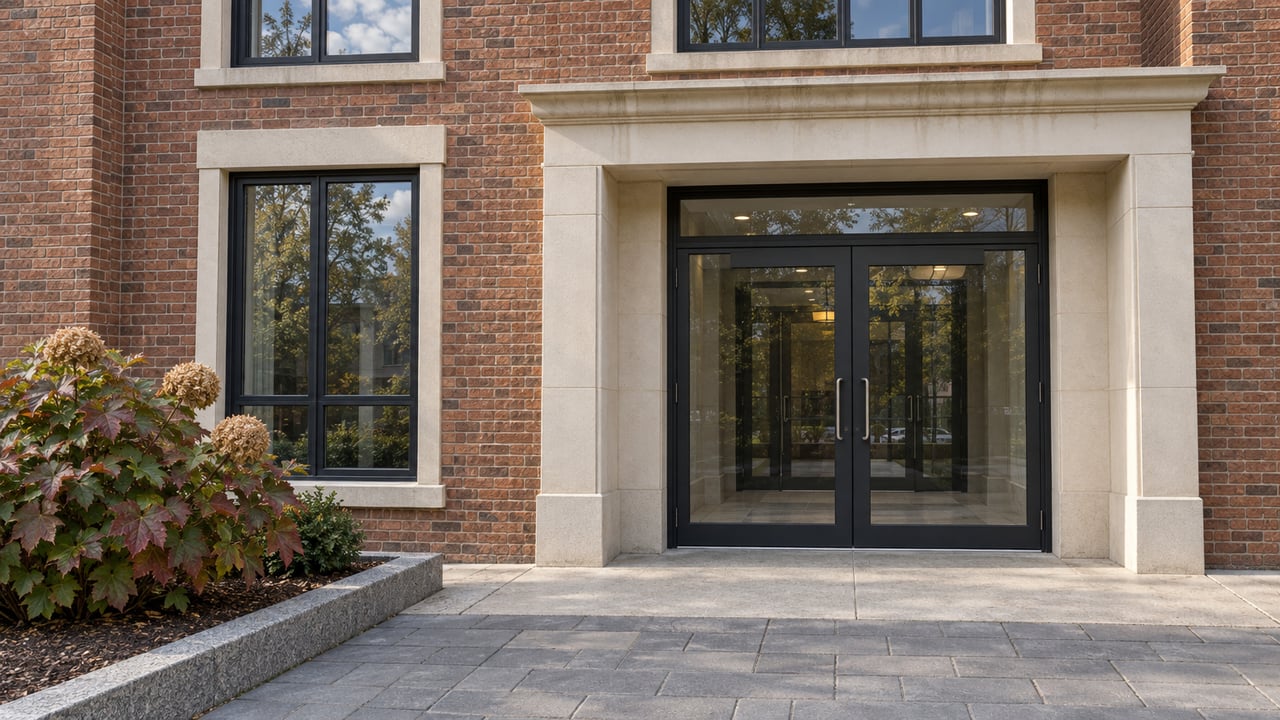
- Condos are more likely to include amenities such as concierge services, fitness centers, pools, roof decks, and resident lounges. These features add convenience and community spaces, but they also tend to increase monthly dues.
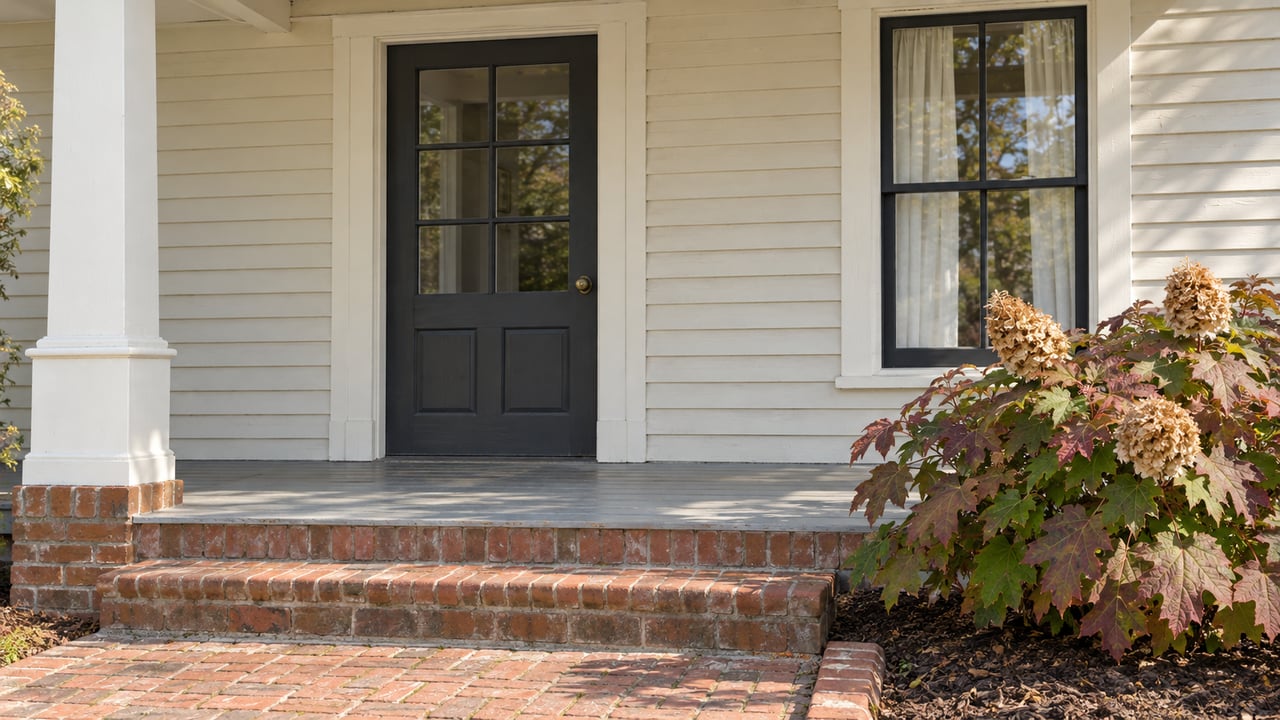
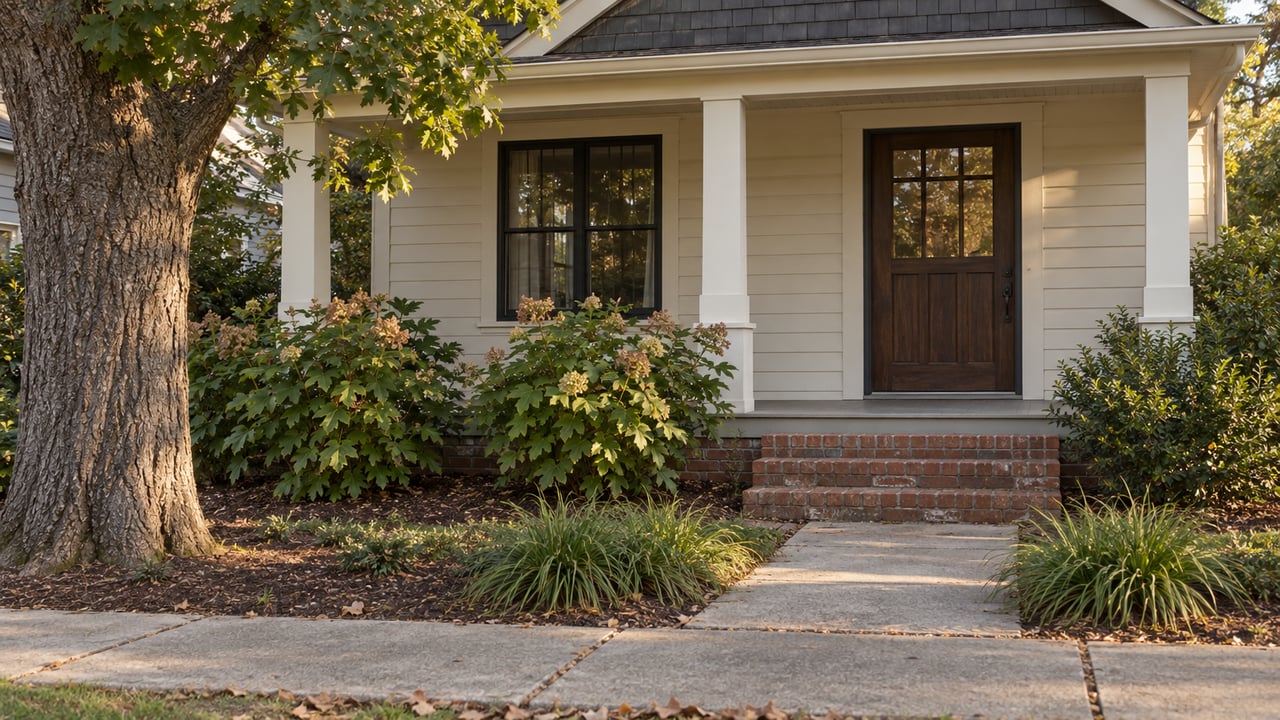
- Townhomes often trade shared amenities for privacy, direct street access, and more private outdoor space like a patio or small yard. The feel is closer to a house, with fewer shared corridors and elevators.
Financing and resale
Financing considerations
Lenders scrutinize condo projects as part of underwriting. Some loans may require project approval, and FHA or VA financing can depend on whether the building is approved. Lenders also review the HOA’s financial health. Fee-simple townhomes are often underwritten like single-family homes, which can be simpler unless they are in a condominium regime.
Resale dynamics
- Both condos and townhomes close to Piedmont Park and the BeltLine tend to enjoy stronger demand. Parking and storage are often decisive in car-friendly Atlanta.
- Associations with sound reserves, transparent budgets, and no pending litigation are typically easier to finance and resell.
- Rental restrictions, frequent special assessments, or low reserves can reduce buyer demand. Review the rules early so you understand the future marketability of your home.
Side-by-side comparison
Note: These are general Midtown tendencies. Always verify details for the specific property.
| Topic | Typical Midtown Condo | Typical Midtown Townhome |
|---|---|---|
| Legal ownership | Unit title plus shared common elements; condo association | Fee-simple or condo regime; confirm exterior and land responsibilities |
| Monthly fees | Often higher if amenities and staffing are robust | Often lower if present; fee-simple may have minimal or no dues |
| Maintenance | Association handles exterior, roof, and common areas | Owner often responsible for exterior and roof unless HOA covers it |
| Insurance | HO-6 policy plus association master policy | HO-3 or HO-5 policy covering structure and contents |
| Parking | Assigned garage or covered spaces; guest parking can be limited | Private garage and driveway are common |
| Amenities | More likely: gym, pool, concierge, roof deck | Fewer shared amenities; more private outdoor space |
| Privacy/noise | Shared hallways and elevators; urban street activity | More house-like entry and privacy; attached walls still possible |
| Resale | Appeals to low-maintenance and amenity-focused buyers | Appeals to buyers seeking space, garage, and privacy |
| Financing | Project approval and HOA health matter | Often simpler if fee-simple and not a condo regime |
Cost-of-ownership example
The figures below are illustrative to show how costs break down. Update the purchase price, interest rate, HOA dues, and taxes with current numbers when you analyze a specific property.
Condo example (illustrative)
- Purchase price: 550,000
- Down payment: 20 percent (110,000)
- Mortgage: 440,000 at 6.5 percent, 30-year
- Monthly condo HOA fee: 700
- Property tax: effective 1.1 percent of price
- Insurance: HO-6 at 50 per month
- Utilities (owner portion): 150 per month
Monthly estimates:
- Mortgage principal and interest: about 2,780
- Property tax: 6,050 per year, about 504 per month
- Insurance: 50
- HOA: 700
- Utilities: 150
- Total estimated monthly cost: about 4,184
Townhome example (illustrative)
- Purchase price: 900,000
- Down payment: 20 percent (180,000)
- Mortgage: 720,000 at 6.5 percent, 30-year
- HOA fee: 200 per month
- Property tax: effective 1.1 percent of price
- Insurance: HO-3 at 150 per month
- Utilities and maintenance reserve: 300 per month
Monthly estimates:
- Mortgage principal and interest: about 4,550
- Property tax: 9,900 per year, about 825 per month
- Insurance: 150
- HOA: 200
- Utilities and maintenance: 300
- Total estimated monthly cost: about 6,025
What to notice: condos often shift costs into monthly dues that cover shared systems and amenities. Townhome owners may pay lower dues but carry more direct maintenance, insurance, and property tax if the purchase price is higher. Compare total monthly outlay, plus non-monthly risks like special assessments or major exterior repairs.
Midtown-specific factors
- Piedmont Park proximity: Homes nearest the park can command premiums and may experience more event traffic and visitor parking demand. Park-facing spaces can be very appealing at resale.
- BeltLine access: Walkability to the BeltLine can increase demand for both condos and townhomes by drawing buyers who value recreation, dining, and transit options.
- Transit and walkability: Midtown’s walkability and MARTA access are strong. If commuting by rail matters, weigh distance to the nearest station.
- Noise and nightlife: Busy corridors and festival routes can be louder. If quiet is a priority, consider townhomes on calmer blocks or higher-floor condos set back from major streets.
Buyer checklist: documents to review
- Association declaration, bylaws, rules, and regulations
- Current budget, financial statements, and reserve study
- Recent HOA meeting minutes from the last 12 to 24 months
- Insurance summary for the association master policy and exclusions
- Special assessment history and any pending litigation
- Rental rules, owner occupancy percentages, and leasing caps
- Parking assignments and storage policies
- City and County property tax history and homestead exemption info
- Flood zone and any flood insurance needs for the specific block
Which one is right for you?
Choose a Midtown condo if you want low-maintenance living, on-site amenities, and you plan to trade a private garage for assigned garage parking. Choose a Midtown townhome if you want a private entry, garage, and more space with a house-like feel, understanding that you may take on more exterior maintenance.
If you are torn, compare two or three real properties side by side. Verify the ownership type, fee inclusions, reserve health, and parking. Then weigh location and lifestyle priorities like walkability to the park or BeltLine against your monthly budget.
Ready to compare your shortlist in detail? Reach out to us for a data-backed review of fees, governing documents, and resale factors tailored to your goals. Connect with The Betsy Meagher Team to start your Midtown plan.
FAQs
What is the main difference between Midtown condos and townhomes?
- Condos offer unit ownership with shared common elements and typically higher amenities, while townhomes may be fee-simple with more owner responsibility for the exterior and roof.
How do HOA or condo fees in Midtown usually compare?
- Condo dues often land in the mid-hundreds to low-thousands per month for amenity-rich buildings, while townhome dues are often lower and may be minimal for fee-simple.
What insurance policy do I need for each property type?
- Condo owners typically carry an HO-6 policy plus rely on the association’s master policy; townhome owners often carry an HO-3 or HO-5 that covers the structure and contents.
Are condos harder to finance than townhomes in Midtown?
- Lenders often review condo projects for approval and HOA financials, while fee-simple townhomes are commonly underwritten like single-family homes unless under a condo regime.
What documents should I review before making an offer in Midtown?
- Review the declaration, bylaws, rules, budget, financials, reserve study, recent minutes, insurance summary, assessment history, rental rules, parking assignments, and tax records.