What draws so many people to Inman Park? Maybe it is the mix of grand historic homes, leafy streets, and an easy walk to coffee, parks, and the BeltLine. If you are curious about an intown lifestyle that blends character with convenience, you are in the right place. In this guide, you will learn what it feels like to live in Inman Park, from housing styles and daily errands to commuting, schools, and neighborhood events. Let’s dive in.
Where Inman Park sits
Inman Park is an intown Atlanta neighborhood just east of Midtown and close to the Old Fourth Ward and Little Five Points. You are minutes from central business districts and major corridors, which makes getting around the city straightforward outside of peak traffic. The location puts you near the BeltLine Eastside Trail and several popular dining and retail hubs.
Housing at a glance
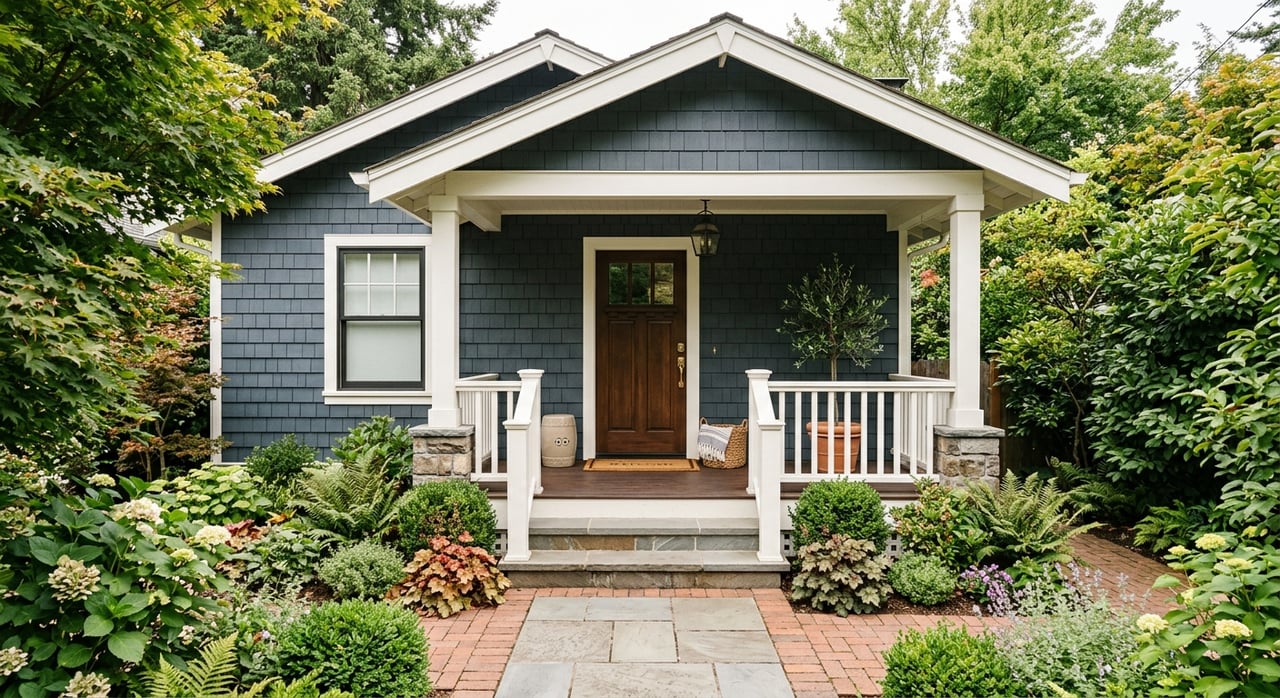
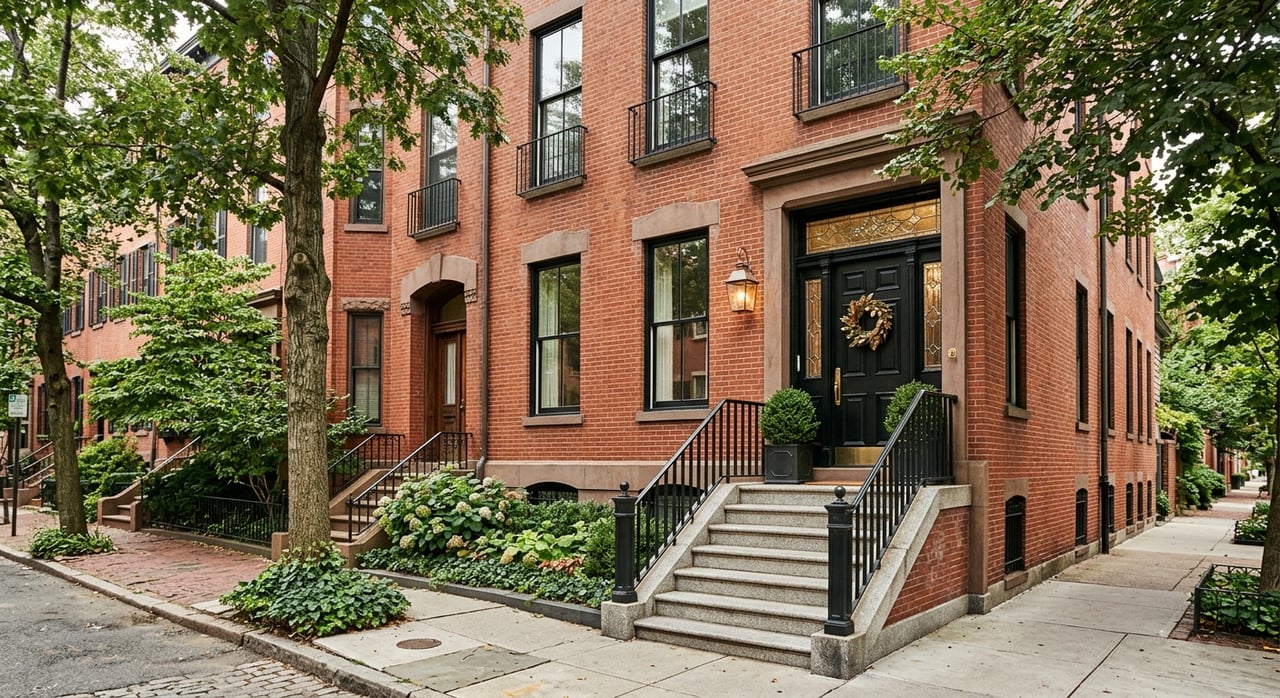
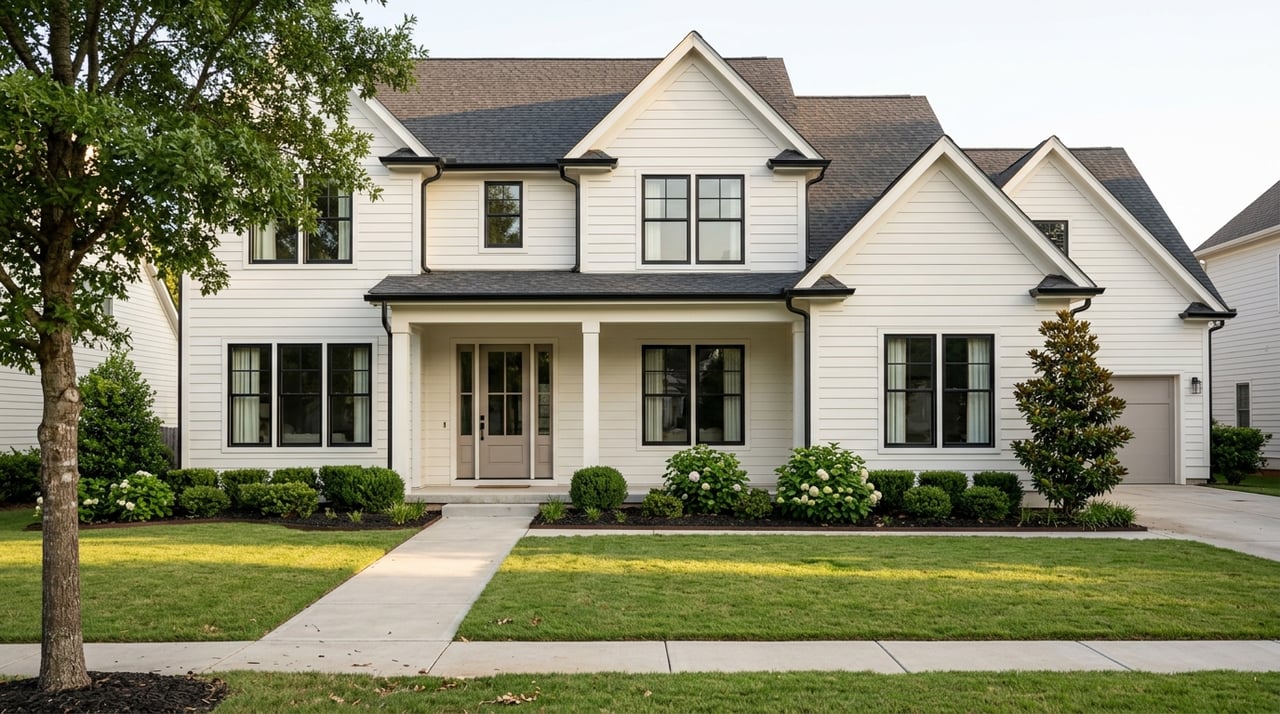
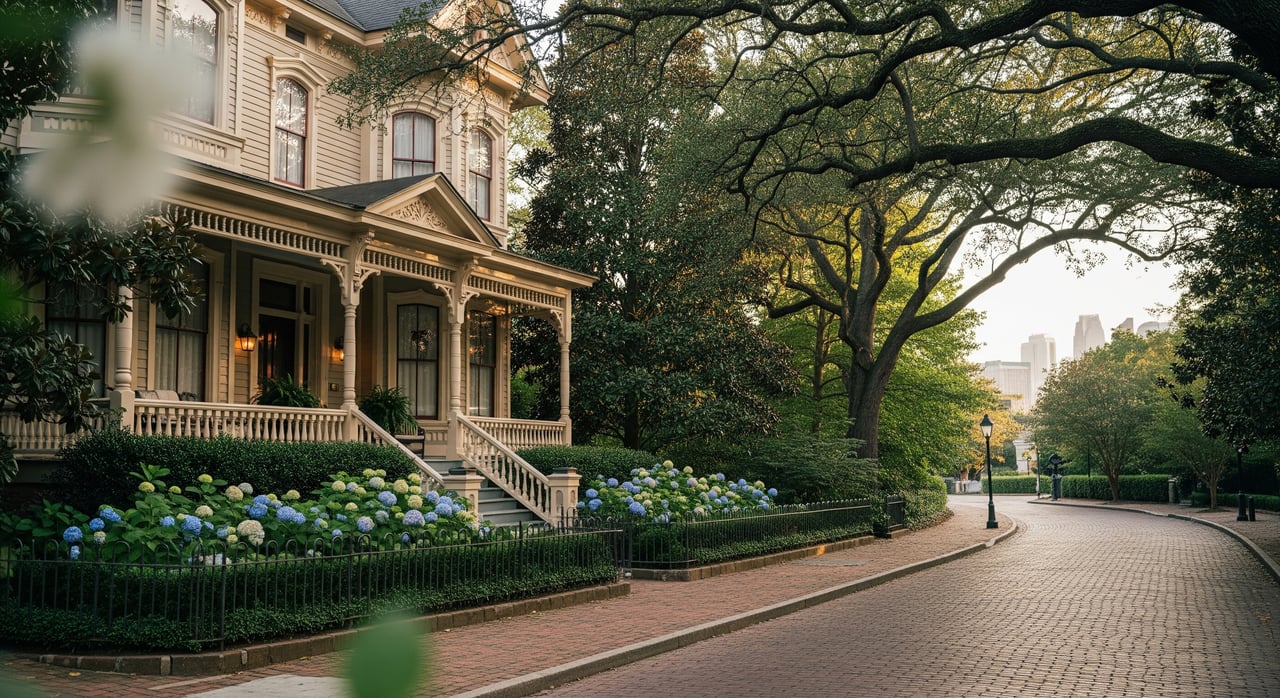
You will find a range of homes: restored late-19th- and early-20th-century Victorians, charming bungalows, brick townhomes, and loft or condo conversions. Newer infill townhomes and low-rise condos cluster near major streets and the BeltLine. Many properties in the historic core fall under a local historic district review for exterior changes, while areas outside the core offer more modern construction.
What buyers should expect
- Premium pricing for renovated historic homes and BeltLine-adjacent properties.
- Smaller lots and narrower streets compared with suburban neighborhoods.
- Street parking on some blocks, with driveways or single-car garages common but not universal.
- Historic district rules that can add time and cost to exterior renovations. It helps to plan with a contractor familiar with Atlanta’s historic districts.
Notes for sellers
- Updated kitchens and bathrooms tend to resonate with intown buyers.
- Outdoor living spaces like decks and patios are a plus.
- For condos and townhomes, review HOA rules, dues, reserves, and any special assessments before listing.
Prices and market tone
Inman Park typically sits above the metro’s median price per square foot due to its intown location, historic character, and BeltLine access. Prices vary widely by property type and condition, from a smaller bungalow or condo to a fully restored Victorian or newer townhome. The market moves quickly, so plan to review the latest 30 to 90 days of sales and active listings before you decide on offer or list strategy.
Daily life and walkability
You can handle many daily needs on foot. Sidewalks, tree cover, and short blocks make walking comfortable, and you will see neighbors out with dogs, strollers, or bikes. The neighborhood’s edges connect to food halls, cafes, and retail clusters, so quick errands often do not require a car. Expect more visitors on weekends and during events, especially near the BeltLine.
BeltLine access
The BeltLine Eastside Trail runs along the western side of the neighborhood and is a major lifestyle perk. It offers a car-free route for exercise, bike trips, or casual walks to nearby food and retail. Proximity also raises convenience, though it brings more activity and occasional crowding during busy times.
Parks and green space
Freedom Park and several pocket parks give you room to run, bike, picnic, or meet up. Small green spaces, playgrounds, and dog-friendly areas are scattered throughout the neighborhood and nearby, supporting an outdoor-forward lifestyle.
Dining and shopping
Inman Park has a strong lineup of local restaurants, cafes, wine bars, and pubs. You are within walking distance of major destinations just beyond the neighborhood, including Krog Street Market, Ponce City Market, and the shops in Little Five Points. For groceries, you will find small specialty markets close by and larger stores a short drive away.
Getting around
Driving distance to Midtown and Downtown is short, but commute times can stretch during rush hour. Freedom Parkway and the Downtown Connector are the main nearby routes. The Inman Park/Reynoldstown MARTA rail station serves the area, and multiple bus routes operate on nearby corridors. Many residents use the BeltLine for quick bike trips, though on-street bike connections vary by block.
Parking realities
- Street parking can be limited on busier blocks.
- Many single-family homes and townhomes have driveways or single-car garages.
- Some older homes may lack off-street parking, which is a factor to weigh during your search.
Community and events
Community involvement is a big part of life here. An active neighborhood association supports preservation, safety, zoning, and parks. The springtime Inman Park Festival and Tour of Homes showcases historic architecture and local arts and draws visitors from across Atlanta. Expect street closures and lively foot traffic during major events.
Schools and zoning basics
Public school assignments are handled by Atlanta Public Schools, and attendance zones vary by address. There are also nearby charter and private options. For any property you consider, verify school zoning and review performance data through official sources. If you plan to renovate, also verify zoning and any historic district rules for that address.
Renovation and preservation
A large portion of the neighborhood falls under a local historic district overlay, which means exterior changes, additions, demolitions, and new construction in those areas generally require review and approval. These guidelines protect neighborhood character but can affect design choices and timelines. If you are eyeing a project, involve a contractor and architect experienced with Atlanta’s historic review process.
Development and change
The BeltLine and nearby corridors have spurred new infill housing, mixed-use projects, and commercial activity. New retail and homes can boost convenience and property values, but they may also bring construction, traffic, and parking pressure. Neighborhood groups often work with developers on design and mitigation.
Pros and trade-offs
Pros
- Historic homes, tree-lined streets, and strong neighborhood identity.
- High walkability to the BeltLine, dining, and services.
- Short distance to Midtown and Downtown employment centers.
Considerations
- Higher prices than many areas of the metro.
- Smaller lots and narrower streets than suburban neighborhoods.
- Visitor traffic and parking pressure near the BeltLine and during events.
Who Inman Park fits
- Buyers who want character-rich homes close to urban amenities.
- People who value walking and biking for daily errands and recreation.
- Sellers who want to leverage premium presentation and market reach for distinctive homes.
- Investors who are focused on intown demand drivers like the BeltLine and mixed-use growth.
How it compares nearby
- Virginia-Highland: Similar vintage homes and walkable retail, with a more continuous central retail corridor.
- Old Fourth Ward: Faster redevelopment and more mid-rise condos, plus Ponce City Market and a denser, more commercial feel.
- Little Five Points: Eclectic retail and nightlife just east, with a more bohemian vibe than Inman Park’s residential core.
- Midtown: High-rise offices and cultural institutions, with a much denser urban environment.
Smart next steps
- Walk the blocks you like at different times of day to feel traffic, light, and noise.
- Compare historic-core streets to BeltLine-adjacent options to understand trade-offs.
- If you plan to renovate, review historic district guidelines early and line up experienced vendors.
- For condos or townhomes, dig into HOA reserves, dues, rules, and any recent or planned assessments.
- Budget for monthly carrying costs such as Fulton County property taxes, homeowners insurance, HOA fees if applicable, and utilities.
- Verify school zoning and transit routes for any specific address.
If you are weighing a move, expert guidance can help you spot value, avoid pitfalls, and negotiate confidently. For tailored advice on buying or selling in Inman Park, connect with The Betsy Meagher Team for neighborhood-savvy strategy backed by premium marketing.
FAQs
What is different about the historic core vs. BeltLine-adjacent blocks?
- The historic core typically has more properties subject to exterior review and a quieter residential feel, while BeltLine-adjacent blocks offer quick trail access with more activity, visitors, and mixed-use options.
Are homes in Inman Park priced higher than other intown areas?
- Generally yes, due to location, historic character, and BeltLine access, but pricing varies by property type, condition, and exact block.
Is parking easy in Inman Park?
- It depends on the street and property; many homes have driveways or single-car garages, but street parking can be tight near busier blocks and during events.
How convenient is public transit to Midtown or Downtown?
- The Inman Park/Reynoldstown MARTA station and nearby bus routes support transit commutes, though many residents still rely on cars depending on schedules and destinations.
How can I verify schools for a specific address?
- Use official Atlanta Public Schools resources to confirm attendance zones and review performance data for the exact property you are considering.
What events affect traffic and noise in the neighborhood?
- The Inman Park Festival and Tour of Homes and BeltLine-related gatherings draw visitors, increasing foot traffic, parking demand, and occasional street closures.
How does Inman Park compare to Virginia-Highland and Old Fourth Ward?
- Virginia-Highland offers a strong retail corridor and similar historic homes, while Old Fourth Ward feels denser with more recent mid-rise development and large destinations like Ponce City Market.