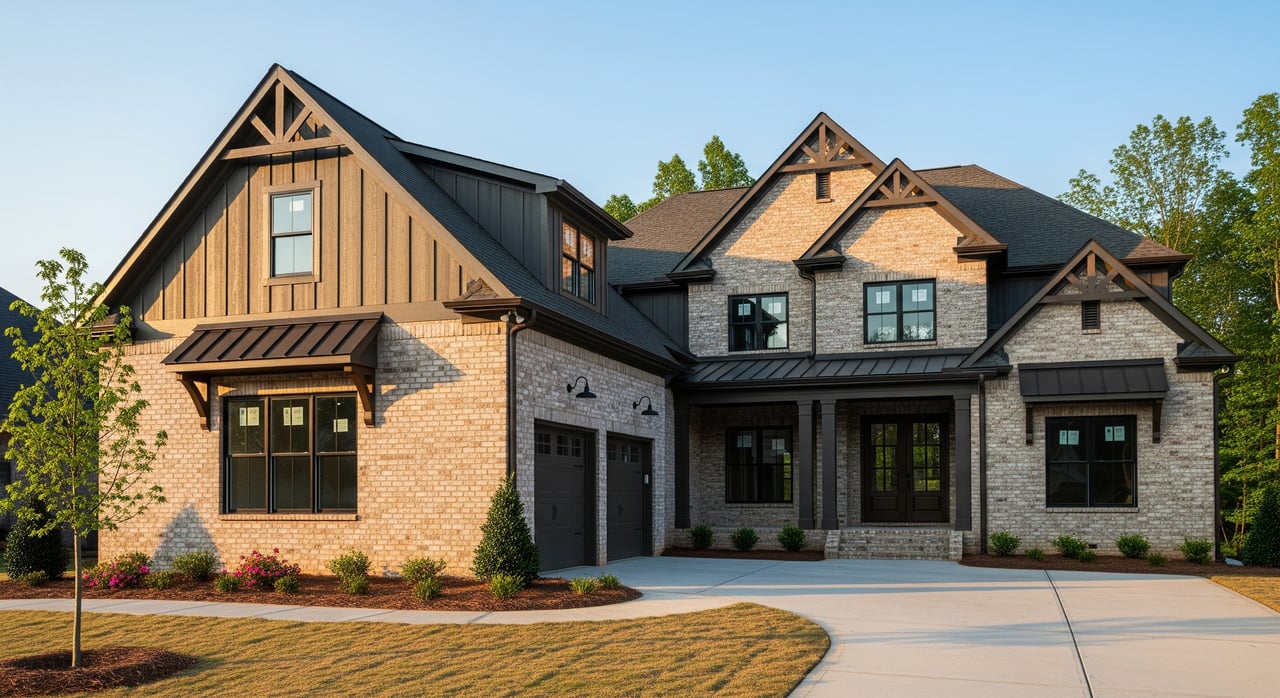
Buying a brand-new home in Marietta is exciting, but even new builds benefit from smart, well-timed inspections. You want confidence that what you cannot see behind the walls is as solid as what you can see on move-in day. In this guide, you will learn which inspections to schedule, when to book them around your builder’s milestones, what they typically cost in Cobb County, and what to watch for locally. Let’s dive in.
The three inspections to schedule
Pre-drywall inspection
A pre-drywall inspection happens after the rough-in work is complete and before insulation and drywall go up. The goal is to catch issues while framing and systems are still visible. In Marietta’s hot, humid climate, this is the best time to address moisture risks and performance problems before they are hidden.
What your inspector typically checks:
- Structural framing, bracing, and connections where visible
- Rough-in plumbing slope and support
- Electrical box placement, cable protection, grounding and bonding
- HVAC equipment placement and duct routing
- Window and door rough openings and visible flashing details
- Sheathing attachment, fire blocking, and foundation perimeter drainage
Timing and tips:
- Ask your builder to confirm when rough-ins are complete and to share the county or city rough-in inspection date.
- Schedule your private inspector before insulation begins so any fixes can be made quickly.
- Typical cost in Cobb County is $250 to $500, depending on size and scope.
Why it matters locally:
- Proper flashing, housewrap, and drainage help prevent moisture issues in Georgia’s climate.
- Duct routing, insulation placement, and air sealing decisions affect comfort and energy performance.
Final inspection before closing
This inspection reviews the finished home and creates your punch list before you sign. It complements, but does not replace, the municipality’s final inspection and Certificate of Occupancy. Your inspector focuses on quality, safety, and functionality so you can close with confidence.
What your inspector typically checks:
- Plumbing fixtures, drains, and water heater operation
- Electrical outlets, lighting, GFCI and AFCI function
- HVAC performance and temperature differentials
- Doors, windows, weatherstripping, and attic or crawlspace insulation
- Roof and gutters where accessible, exterior grading and drainage
- Appliances, smoke and carbon monoxide detectors
Timing and tips:
- Schedule 1 to 3 days before closing to capture final conditions.
- Use the report to create a documented punch list with clear timelines.
- Typical cost is $300 to $600 for a single-family home.
How it relates to the CO:
- The City of Marietta or Cobb County issues the Certificate of Occupancy. Your private inspection is separate and focused on both code-related items and workmanship quality.
One-year warranty inspection (around month 11)
An 11-month inspection helps you document items covered under the builder’s warranty. It is timed to capture seasonal and settling issues, then submit claims before the one-year period ends.
What your inspector typically checks:
- Roof and flashing for leaks
- Water intrusion, caulking, tile and grout
- HVAC performance, airflow, and maintenance adherence
- Doors and windows for alignment after settling
- Grading and drainage concerns that appear after heavy rain
- Signs of termite or wood-destroying organism activity
Timing and tips:
- Schedule at month 11 to allow time to file claims.
- Typical cost is $200 to $450, depending on scope.
How inspections fit your build timeline
Most single-family builds follow a familiar sequence:
- Lot prep and foundation
- Framing and exterior shell
- Rough-in mechanical, electrical, and plumbing
- Insulation and drywall
- Finishes, paint, trim, and appliances
- Final cleaning, landscaping, and municipal final inspection for CO
Where your private inspections fit:
- Pre-drywall: after rough-ins, before insulation and drywall
- Final: 1 to 3 days before closing
- One-year warranty: about 11 months after occupancy
City vs. County: confirm your jurisdiction
Marietta addresses can fall under the City of Marietta or unincorporated Cobb County for permitting and inspections. The jurisdiction matters for how permits and municipal inspections are handled. Always confirm which office is issuing your permits and CO, and verify the CO is complete before occupancy.
Lots in flood zones may require extra documentation like elevation certificates. Both the city and county enforce erosion and stormwater controls during construction, so grading and site drainage should be reviewed at final and at the 11-month mark.
Local risks to watch in Marietta
- Moisture and HVAC: Georgia’s humidity makes correct flashing, housewrap, and attic ventilation important. Proper duct sealing and insulation support comfort and energy performance.
- Termites and WDO: Georgia has a high prevalence of subterranean termites. Verify any pre-treatment paperwork from the builder and consider a WDO inspection.
- Energy and insulation: New homes must meet state-adopted energy code standards. Check for insulation certificates, attic R-values where visible, and well-sealed ducts.
- Floodplain and drainage: Confirm if the lot is in a FEMA flood zone. Watch for grading that directs water away from the foundation.
Specialty tests to consider
- Termite and WDO inspection: $75 to $200. Commonly requested in Georgia and sometimes required by lenders.
- Radon testing: $150 to $300 for a short-term professional test. New and existing homes can have elevated levels, so testing is smart.
- Energy performance testing: Blower door or HERS testing is optional unless requested. A blower door test often runs $200 to $400.
- Specialty contractors: Roofing specialists or structural engineers can be engaged if your inspector flags concerns.
Who pays and how to schedule
Buyers typically hire and pay for private inspections. Builders schedule and pay for municipal inspections tied to permits. Ask for your builder’s policy on third-party inspectors on site and whether you need to coordinate time slots or sign-ins.
Schedule at these points:
- Pre-drywall: when rough-ins are complete, before insulation
- Final: a few days before closing
- One-year warranty: at month 11 to allow time for claims
Quick checklists you can use
Before you commit to a lot or spec home
- Confirm if the home is under the City of Marietta or Cobb County
- Request the builder’s estimated timeline and key milestones
- Review the builder’s warranty terms and claim procedures
- Ask about the policy for buyer-hired inspectors on site
Pre-drywall inspection checklist
- Verify rough-in plumbing slope and support
- Check electrical box placement, cable protection, and bonding
- Review framing members, headers, and truss connections where visible
- Confirm window and door flashing and sheathing installation where visible
- Review HVAC equipment placement and duct routing for access and support
- Document issues with photos and request written acknowledgment
Final inspection and walk-through checklist
- Verify the Certificate of Occupancy from the correct jurisdiction
- Test HVAC, run all plumbing fixtures, and flush toilets
- Test outlets, switches, GFCIs, and AFCIs
- Inspect exterior grading, gutters, and downspouts for drainage
- Confirm smoke and carbon monoxide alarms are present and working
- Build a punch list with photos and due dates
One-year warranty inspection checklist
- Recheck roof, flashing, attic, and ventilation for leaks
- Look for plumbing leaks under sinks and at connections
- Test HVAC performance and confirm filter changes and service
- Look for termite evidence or WDO damage
- Reassess grading and drainage after wet weather
- Compile a claim packet with the report and dated photos
What to collect from your builder
- Copies of permits and municipal inspection sign-offs
- Certificate of Occupancy or explanation if temporary
- Builder warranty documents with claim instructions
- Termite pre-treatment or WDO paperwork, if available
- Insulation certificates or energy compliance documentation
- Appliance manuals and HVAC commissioning or service records
Protect your warranty rights
Keep a clear paper trail. Save emails, inspection reports, and dated photos. Submit warranty requests in writing and within the specified deadlines. When possible, attend inspections with the builder’s site superintendent so decisions and timelines are documented on the spot.
Ready to build with confidence?
If you want a smooth process from lot to closing, a thoughtful inspection plan makes all the difference. Our team can help you coordinate timelines with your builder, prioritize the right inspections, and keep your documentation organized for closing and warranty claims. Schedule a free consultation with The Betsy Meagher Team to get started.
FAQs
Do I still need a private inspection if the county issues a CO?
- Yes. Municipal inspections check code compliance, while a private inspection focuses on both code and workmanship quality and gives you a punch list before closing.
When should I schedule a pre-drywall inspection in Marietta?
- Book it after rough-in work is complete and before insulation is installed, and ask your builder for the rough-in completion date to lock the timing.
How much do new-construction inspections cost around Cobb County?
- Typical ranges are pre-drywall $250 to $500, final $300 to $600, and 11-month $200 to $450, depending on size, access, and scope.
Are termite and radon tests necessary for new homes?
- Termite and WDO inspections are recommended in Georgia due to high prevalence, and radon testing is a smart check for any home, new or existing.
What if my builder resists third-party inspections?
- Ask for the builder’s policy in writing and coordinate scheduling; many builders allow buyer-hired inspectors with advance notice.
What documents should I have before closing on a new build?
- You should have permits and sign-offs, the Certificate of Occupancy, warranty terms, insulation or energy documentation, termite paperwork if available, and appliance/HVAC records.