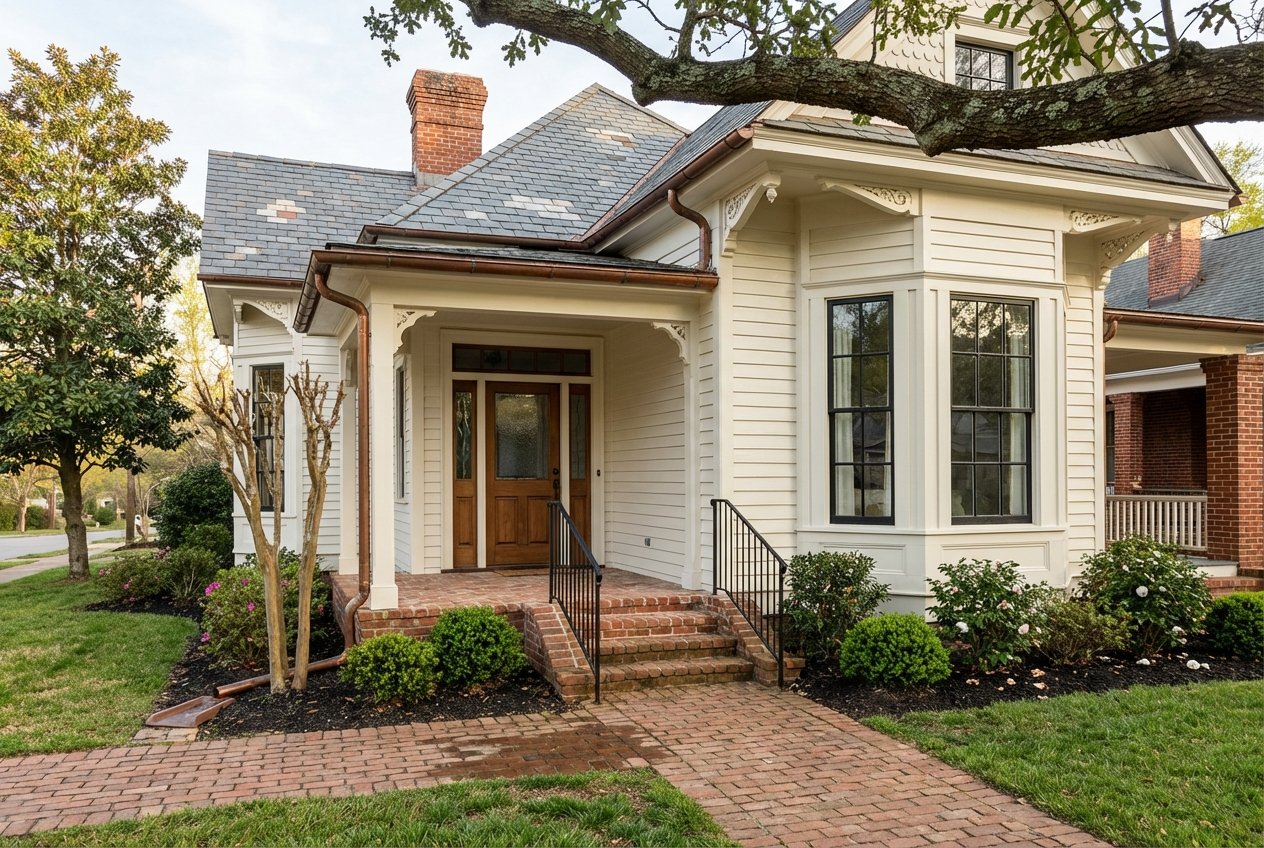
You can fall in love with a Grant Park front porch in a single drive-by. The painted wood siding, tall windows, and tree-lined streets make it easy to picture morning coffee and evening strolls. If you are thinking about buying a historic home here, you also want a clear plan for rules, inspections, renovations, and costs. This guide breaks it down so you can buy with confidence and protect your investment. Let’s dive in.
Grant Park historic basics
Grant Park is a designated historic district within the City of Atlanta. That means exterior work visible from the street follows specific design standards managed by the city’s preservation office. You can review district resources on the City of Atlanta’s historic preservation page for property and district information.
The neighborhood has its own zoning overlay, called Chapter 20K, that outlines standards for porches, windows, additions, sidewalks, and other visible features. Before you plan changes, confirm whether the property sits inside the overlay and what rules apply.
- Learn more on the City of Atlanta’s historic district page: property and district information
- Review the Grant Park overlay: Chapter 20K in the zoning code
Design rules and COAs
What needs approval
Exterior changes that can be seen from the street often require a Certificate of Appropriateness, or COA. This includes many window or door changes, porch work, additions, new construction, driveway or curb cuts, and demolition. The overlay sets the standards used in design review, including front-yard setbacks, porch elements, and window proportions.
How long approvals take
Plan for extra time. Many projects take several weeks to a few months to move through COA review, depending on scope and whether a board hearing is needed. The city’s page explains the process and how it connects with building permits. See the city’s COA guidance here: historic COA process.
Tips for smooth review
- Confirm whether your idea needs a COA before you write an offer, or add a contingency for design review and permits.
- Prepare photos, material samples, and drawings. An architect familiar with historic districts can help.
- Align your plan with the overlay standards. When in doubt, ask staff early.
Architecture you’ll find
Common styles
Grant Park’s homes date from the late 1800s to the early 1900s. You will see Queen Anne and Folk Victorian houses, American Foursquare, Craftsman bungalows, English vernacular revival forms, and narrow shotguns in some areas. These styles shape the neighborhood’s look and are referenced in the overlay standards.
Original materials to respect
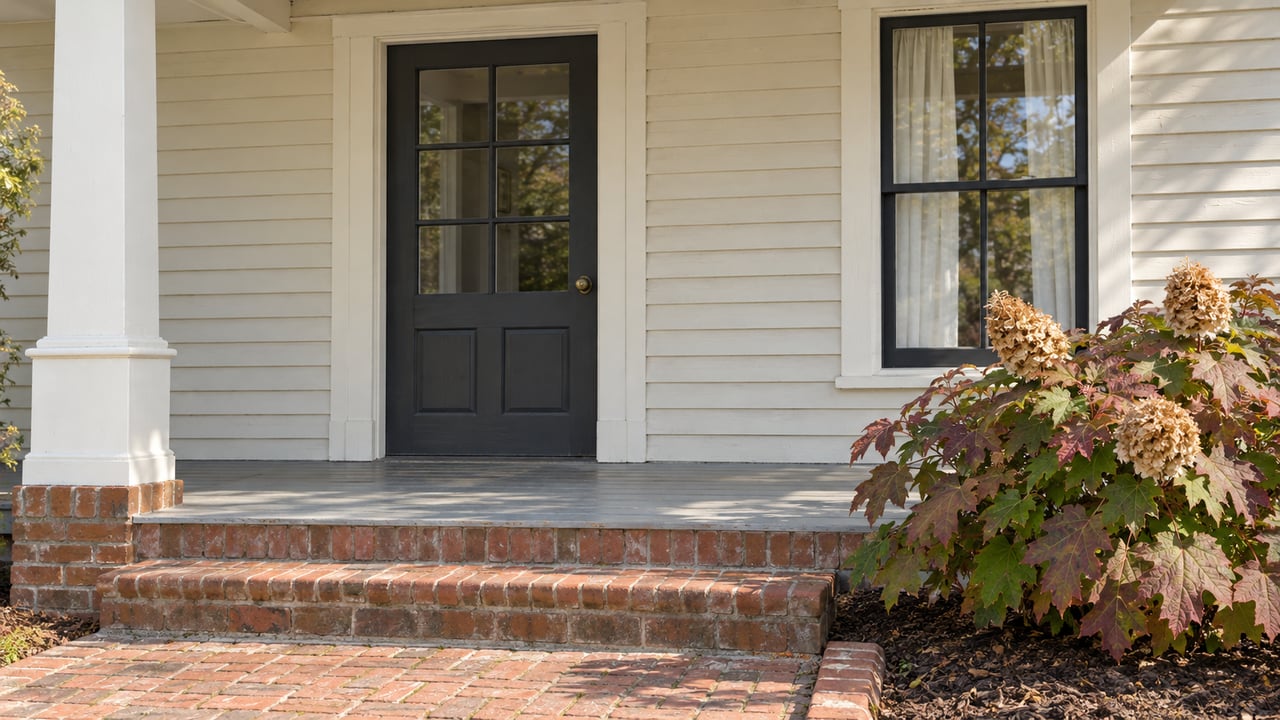
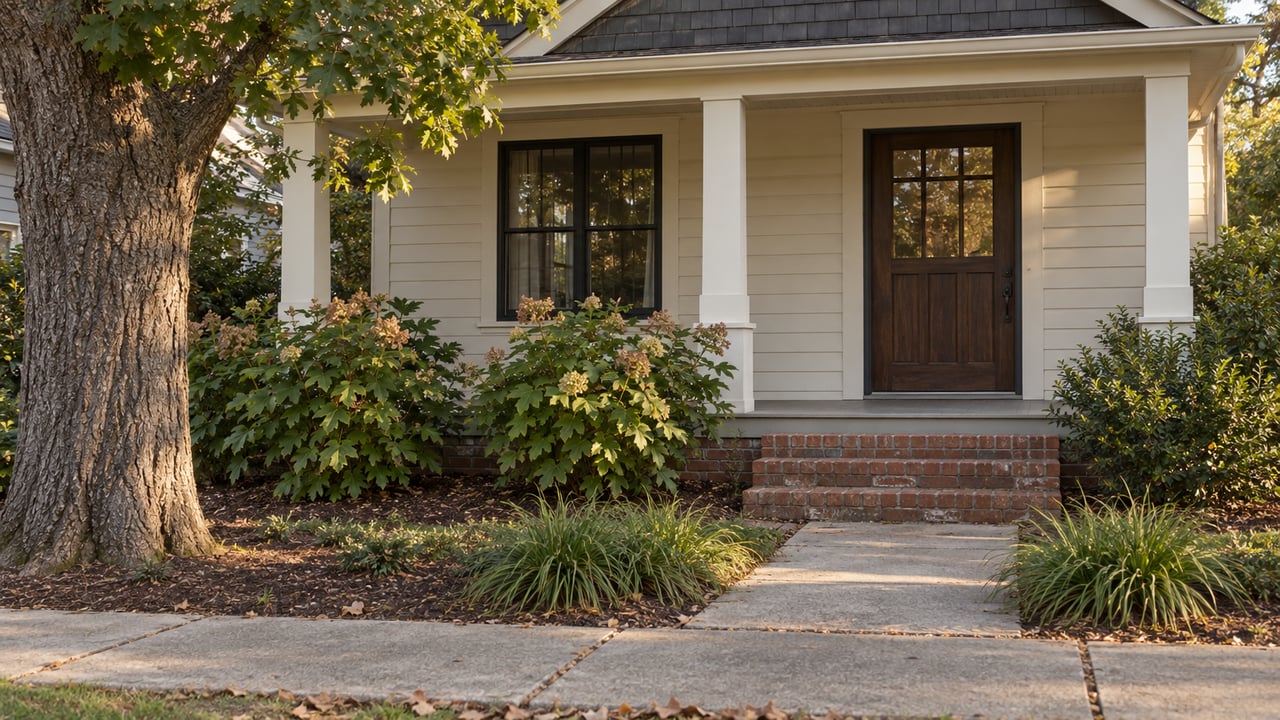
Character details often include wood siding and trim, large front porches, stained or multi-pane windows, brick chimneys, and mixed foundations like pier-and-beam. Some blocks still have historic brick sidewalks and granite curbs. These features are both the charm you love and the elements most protected in design review.
Inspection and due diligence
Buying a historic home means you look closely at systems and structure. Plan for a standard home inspection plus a few targeted checks.
Structure and site
Older foundations can settle, especially with clay-rich soils. Look for uneven floors, sagging joists, or moisture in crawlspaces. If your inspector flags anything, bring in a structural or foundation specialist.
Electrical and plumbing
Legacy wiring like knob-and-tube or early cloth-insulated wiring may still be present in attics or walls. Many insurers and buyers prefer these systems to be updated. Learn what to expect with older wiring from this overview of legacy electrical systems.
Plumbing may include galvanized supply lines and clay or cast-iron drains. Tree roots and offsets are common issues in older sewer laterals. A sewer-scope is a modest-cost camera inspection that can save you from costly surprises. Read more about why a sewer-scope inspection is a smart add-on.
Lead, asbestos, and pests
Homes built before 1978 may contain lead-based paint, and some include asbestos in materials like old floor tiles or roof shingles. These are usually concerns when materials are disturbed. The InterNACHI guide to historic homes explains how to approach testing and safe work practices.
Subterranean termites are active in Georgia. A wood-destroying organism inspection is standard in this area, and moisture control is key to prevention. See a Georgia-focused overview of termite activity and risks.
HVAC and energy
Original homes were not designed for modern HVAC. Expect older or undersized systems, single-pane windows, and limited insulation. Comfort and efficiency upgrades are common in sensitive rehabs. You can balance performance with preservation using the historic homes guidance as a reference point.
Your inspection checklist
- Standard home inspection that covers roof, structure, attic, crawlspace, and major systems.
- WDO inspection for termites and other wood-destroying organisms.
- Sewer-scope of the lateral line to the street.
- Licensed electrician evaluation if older wiring or panels are present.
- Lead and asbestos testing if you plan to disturb painted surfaces or suspect older materials.
- Structural engineer review if you see settlement, large cracks, or significant floor unevenness.
Renovation planning that preserves value
Use the Secretary’s Standards
If you plan a rehab, align your approach with the Secretary of the Interior’s Standards for Rehabilitation. These principles favor repairing over replacing, keeping defining features, and ensuring new work is compatible with the old. Many local reviews and state programs reference these Standards. Review the Secretary’s Standards for Rehabilitation.
Build the right team
A preservation-experienced architect or contractor can help you develop a plan that meets the overlay rules and passes smoothly through COA review. That experience often saves time, reduces rework, and protects the character that drives resale value.
Incentives, insurance, and costs
Georgia tax credits and assessment
Georgia offers incentives for qualifying rehabilitation of historic owner-occupied homes, including a state income tax credit and a preferential property tax assessment that can freeze the assessed value for a period. Programs have per-project and annual caps and usually require preapproval before any work starts. Review current rules and application steps on the Georgia DCA page for the state historic tax credit program.
Federal credit limits
The federal Historic Rehabilitation Tax Credit generally applies to certified rehabilitations of income-producing properties. It is not typically used for an owner-occupied primary residence. If you plan an investment property, confirm whether federal certification applies.
Insurance and insurability
Older systems can raise premiums or trigger underwriting conditions. Insurers sometimes require updates to wiring, roofing, or plumbing for coverage. Start insurance conversations early to understand replacement-cost estimates and any required upgrades. Here is a Georgia-focused overview of home insurance considerations.
Value and resale considerations
Well-maintained or carefully restored homes in Grant Park often command strong interest because of their architecture, location near the park and Zoo Atlanta, and access to intown amenities. On the other hand, hidden system updates and exterior design rules can add cost and time. A clear due diligence plan helps you price the home correctly, budget for upgrades, and protect long-term value.
Buyer checklist for Grant Park historic homes
- Confirm the property’s historic status and whether the Grant Park overlay applies.
- Identify any planned exterior work and confirm if a COA is required.
- Add specialty inspections: WDO, sewer-scope, and targeted testing for lead or asbestos where relevant.
- Ask the seller for permits, COA records, and receipts for major system upgrades.
- Contact your insurance agent early and verify any conditions tied to older systems.
- If you plan a major rehab, read the Secretary’s Standards and contact Georgia DCA before starting work to see if incentives apply.
Work with a local team
Buying a historic home should feel exciting, not overwhelming. You deserve clear answers, trusted vendor referrals, and a strategy that balances character with cost. If you want hands-on guidance tailored to Grant Park, we would love to help. Schedule a free consultation with The Betsy Meagher Team to map your next steps.
FAQs
What makes a Grant Park home “historic,” and why does it matter?
- Grant Park is a City of Atlanta historic district with an overlay that sets design rules for street-visible exterior work. You may need a Certificate of Appropriateness before making changes.
Which exterior projects usually require a Certificate of Appropriateness in Grant Park?
- Window or door changes, porch alterations, additions, demolition, new construction, and many driveway or curb-cut changes usually trigger COA review. Confirm scope with the city before starting.
How long does the historic review and permit process take in Atlanta?
- Many projects move from application to approval in several weeks to a few months, depending on complexity and whether a board hearing is needed. Build that time into your schedule.
What inspections are most important for an older Grant Park house?
- In addition to a standard home inspection, add a WDO termite inspection, a sewer-scope, and evaluations for older wiring or panels. Consider testing for lead or asbestos if you plan to disturb materials.
Are there incentives for renovating an owner-occupied historic home in Georgia?
- Yes. Georgia offers a state income tax credit and a preferential property tax assessment for qualifying projects. Programs have caps and typically require preapproval before work begins.