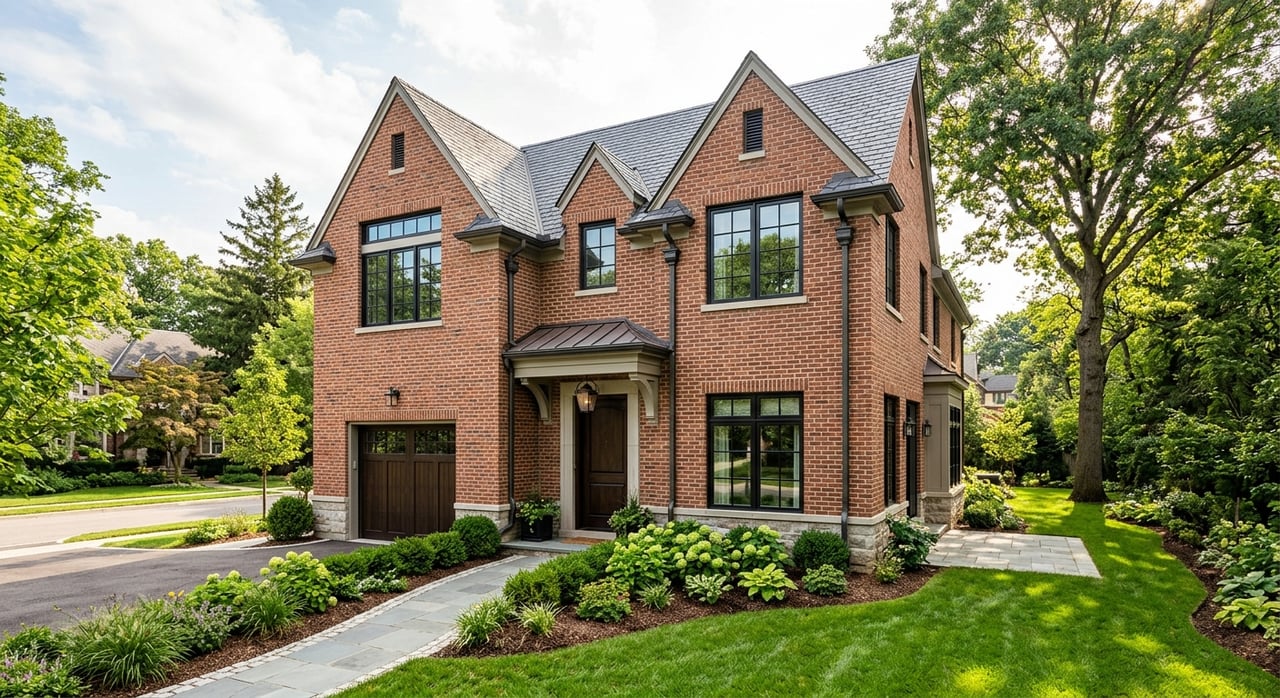
If you are deciding between a townhome and a single-family home in Smyrna, you are not alone. It is one of the most common questions buyers face in this close-in Cobb County market, especially because Smyrna offers both walkable attached living and more traditional detached neighborhoods. The good news is that the right choice usually becomes clearer when you compare your budget, upkeep preferences, and daily routine. Let’s dive in.
Why Smyrna makes this choice tricky
Smyrna is not a market with endless new land and one clear housing style. The city notes that most housing growth from 2010 to 2020 came through redevelopment, not large-scale greenfield development, because there is less raw land available for major subdivision expansion.
That matters because it creates a mix of housing options in different settings. You can find townhomes near the downtown core and areas like Market Village and West Village, while detached homes are more common in neighborhoods such as Smyrna Heights, Forest Hills, and Vinings Estates.
Smyrna also appeals to buyers for practical reasons. The city reports access to I-75, I-20, and I-285, plus CobbLinc connections to MARTA, and an average commute of about 29 minutes. If convenience is high on your list, both product types can work, but they often deliver that convenience in different ways.
Compare price points in Smyrna
For many buyers, the first real filter is price. Current public portal snapshots show 118 townhouses for sale in Smyrna with a median listing price of about $420,000.
That number only tells part of the story. Smyrna townhomes currently range from roughly the low $200,000s to the mid $800,000s, which means attached housing can serve both entry-level and higher-budget buyers depending on location, size, and age.
Detached homes in Smyrna also vary widely by neighborhood. Recent median prices were about $436,000 in West Village, $514,500 in Smyrna Heights, $717,500 in Vinings Estates, and $842,500 in Forest Hills.
What those price ranges mean for you
A townhome does not automatically mean cheaper, and a single-family home does not always mean out of reach. In Smyrna, the better question is often this: what do you get for your monthly budget in the location you want?
If your priority is getting close to downtown amenities with a more predictable purchase price, a townhome may give you more options. If you want more lot space, more separation from neighbors, or more room to customize over time, a detached home may justify the higher price point.
Lifestyle fit matters as much as price
The best choice is not just about what you can afford. It is also about how you want to live day to day.
Townhomes in Smyrna often appeal to buyers who want a more low-upkeep lifestyle and easy access to shops, restaurants, parks, trails, and civic amenities. The city describes Market Village as a downtown walk-to area with townhomes over restaurants and shops, and notes that the downtown core includes a library, community center, parks, green space, retail, city hall, and trail access.
Single-family homes often appeal to buyers who want more yard space, more privacy, and more control over the property. Neighborhoods such as Smyrna Heights, Forest Hills, Bennett Woods, and Cheney Woods offer a more traditional detached-home setting, though each has its own feel and housing stock.
When a townhome may be the better fit
A townhome may suit you if you want:
- A more manageable exterior maintenance load
- Walkability or easier access to Smyrna’s downtown core
- A simpler day-to-day ownership routine
- A close-in location without stretching into a higher detached-home budget
- A move-up option that still reduces upkeep
This can be especially attractive if you spend a lot of time commuting, traveling, or simply do not want to manage as much outdoor work.
When a single-family home may be the better fit
A detached home may suit you if you want:
- More outdoor space
- More separation and privacy
- Greater control over improvements and maintenance decisions
- Room to grow into the home over time
- A neighborhood setting with more detached-home character
For some buyers, that added control is worth the extra cost and responsibility.
Understand maintenance before you decide
One of the biggest differences between townhome and single-family ownership is who handles what. This is where many buyers need to look past the listing photos and ask sharper questions.
For townhomes, an HOA may maintain some or all exterior elements, but that varies by community. Fannie Mae notes that HOA boards set rules, collect fees, maintain common areas, and may require reserve funding or special assessments, so you need to review the governing documents carefully to understand responsibility for roofs, gutters, landscaping, and other exterior items.
With a detached single-family home, routine exterior and system upkeep is usually your responsibility. That can include the yard, roof, gutters, pests, plumbing, HVAC filters, garage, and crawlspace or basement checks.
Low maintenance does not mean no maintenance
A townhome can reduce your maintenance workload, but it does not remove costs. HOA dues are generally separate from your mortgage and property taxes, and unexpected assessments can affect your monthly budget.
A detached home gives you more freedom, but you should plan for a larger maintenance reserve and more hands-on involvement. In many cases, the better comparison is not just sale price. It is your total monthly carrying cost plus your available time and energy.
Do not assume detached means no HOA
In Smyrna, attached and detached ownership can both involve community structures. The city says neighborhood associations are common and voluntary, and some master-planned single-family communities include shared amenities.
Vinings Estates is one example of a detached-home community with amenities such as pools, tennis courts, clubhouses, and playgrounds. So if you are choosing a single-family home because you want zero association involvement, make sure you confirm that early in your search.
Think about location and daily routine
Smyrna’s location is one of its biggest strengths, but where you live within Smyrna can change your experience. If you want a more car-light lifestyle, townhomes closer to Market Village, West Village, and the downtown core may feel more convenient.
If you want a quieter residential setting with different lot sizes and housing styles, detached neighborhoods may better match your goals. The city describes Forest Hills as a close-in, tree-filled neighborhood with a variety of home styles and lot sizes, while Bennett Woods is known for traditional brick ranch homes from the 1960s and 1970s.
Questions to ask yourself
Before you choose a property type, ask yourself:
- Do you want to walk to dining, parks, or daily conveniences?
- How much yard work and exterior upkeep do you want to handle?
- Are HOA dues acceptable if they reduce some maintenance tasks?
- Is privacy more important than being close to the center of town?
- Are you buying for your current routine, or for how you expect to live in three to five years?
Your answers often reveal the better fit faster than price alone.
What about long-term value?
In Smyrna, both townhomes and single-family homes can make sense from a long-term ownership standpoint. Because the city has land constraints and redevelopment has driven much of its housing growth, well-located infill housing can remain competitive.
Detached homes may capture more absolute value because of lot size and land, while well-placed townhomes can stay desirable due to location, convenience, and access to amenities. The recent neighborhood median figures support that general pattern, but the sales samples are small, so one-year changes should be read as directional rather than definitive.
That is why broad market headlines only go so far. In Smyrna, value depends heavily on micro-location, community setup, monthly costs, and how well the home matches buyer demand in that specific pocket.
A practical way to choose in Smyrna
If you are still torn, keep your decision simple. Compare a few townhomes and single-family homes side by side based on four things:
- Total monthly cost including mortgage, taxes, HOA dues, and expected upkeep
- Location convenience for your work, routines, and preferred amenities
- Maintenance responsibility and how much time you want to spend on it
- Space and privacy needs now and over the next few years
For many first-time buyers, a Smyrna townhome can offer a strong mix of budget predictability, lower exterior upkeep, and close-in living. For many move-up buyers, a single-family home can offer more flexibility, yard space, and control.
Neither option is better across the board. The better choice is the one that fits your finances and the way you want to live in Smyrna.
If you want help narrowing down the right fit in Smyrna, The Betsy Meagher Team offers personalized guidance backed by local market insight, responsive service, and a strategic approach to every move.
FAQs
Is a Smyrna townhome always more affordable than a single-family home?
- No. Current Smyrna townhomes span from roughly the low $200,000s to the mid $800,000s, while detached-home prices also vary widely by neighborhood.
Do Smyrna townhomes usually have HOA fees?
- Often yes. HOA fees are typically separate from your mortgage and property taxes, and the HOA may handle common areas and some exterior maintenance depending on the community documents.
Do single-family homes in Smyrna ever have associations?
- Yes. Smyrna notes that neighborhood associations are common and voluntary, and some master-planned detached-home communities include shared amenities.
Which Smyrna areas tend to feel more walkable for townhome buyers?
- The downtown core, Market Village, and West Village are the clearest fits for buyers who want easier access to shops, restaurants, parks, and civic amenities.
What should Smyrna buyers compare besides list price?
- You should compare total monthly carrying cost, including mortgage, taxes, HOA dues if applicable, expected maintenance, location convenience, and lifestyle fit.