If you want a neighborhood with real daily energy, Marietta Square is hard to ignore. You get a historic downtown setting, a steady lineup of events, and a mix of nearby residential streets that feel close to the action without feeling the same block to block. If you are thinking about buying near the Square, this guide will help you understand what life looks like there, what kinds of homes you may find, and what practical details matter most before you make a move. Let’s dive in.
Why Marietta Square Stands Out
Marietta Square is the city’s central gathering place, with Glover Park at the heart of it. The city describes the Square as a compact destination for shopping, dining, museums, theatres, antiques, festivals, concerts, and markets, which helps explain why it works as both a neighborhood hub and a destination for visitors.
That daily activity gives the area a rhythm that feels different from a typical suburban retail center. Instead of a single rush hour peak, the Square stays relevant throughout the week with errands, meals out, weekend events, and seasonal programming.
Events Shape the Local Lifestyle
One reason people are drawn to this part of Marietta is that the calendar stays full. City programming includes the free Glover Park Concert Series in the summer, Marietta the Gathering in March, HarvestFest in October, and the Christmas Tree Lighting in December.
The Marietta Square Farmers Market runs every Saturday year-round from 9 a.m. to noon, with an artisan market operating alongside it. The Strand Theatre adds another major draw, hosting more than 200 events annually in a historic performing arts venue.
For you as a buyer, that means the Square is not just pretty to visit. It is a place with recurring reasons to head downtown, whether you want a Saturday market routine, live music nearby, or a quick dinner close to home.
Nearby Neighborhoods Are Not All the Same
One of the most important things to know is that the area around Marietta Square is not one uniform neighborhood. The city identifies several historic districts and residential enclaves near downtown, so the experience can change from one street to the next.
That variety is part of the appeal. You may find a quiet residential pocket a few blocks from the Square, then turn onto a corridor with a different lot pattern, home style, or streetscape character.
Church-Cherokee Streets
Just north of the Square, Church-Cherokee Streets is essentially all residential. The district developed over time as lots were subdivided, which helps create a close-in neighborhood feel rather than a master-planned subdivision pattern.
If you want to stay near downtown while still living on residential streets, this area is one to watch. Its location makes it especially relevant for buyers who want quick access to the Square’s restaurants, events, and everyday activity.
Forest Hills
A few blocks south of North Marietta Parkway, Forest Hills shows how much variety exists near downtown. The city describes the neighborhood as having many different home styles, including Queen Anne, bungalow, Georgian, Folk Victorian, Craftsman, Tudor, ranch, and more.
That mix can appeal to buyers who value character and do not want every home on the street to look the same. It also means your search may require a little more flexibility, since inventory can vary widely in age, style, and layout.
Kennesaw Avenue
Kennesaw Avenue was the city’s first locally designated residential historic district. Its nomination report notes a contrast between higher-style houses on larger lots and more vernacular homes that sit closer together.
For you, that can translate into a neighborhood with a strong historic identity but a less uniform housing pattern than newer suburban communities. Some homes may feel grander and more prominent, while others are simpler and more modest in scale.
Cherokee Heights
About a mile north of the Square, Cherokee Heights offers one of the clearest examples of a classic close-in subdivision near downtown. It gives buyers a way to stay connected to the Square while looking slightly beyond the most immediate historic core.
That can be a useful middle ground if you want proximity to downtown but prefer a setting that feels a bit more subdivision-like. It is still close enough to make the Square part of your regular routine.
Whitlock Avenue
Whitlock Avenue developed from larger tracts that were later subdivided into smaller residential neighborhoods. The district includes everything from large former plantation houses and substantial Victorian townhouses to smaller dwellings on subdivision lots.
That broad range reinforces an important point about this part of Marietta. Close to the Square, housing options are not one-size-fits-all, and that can create opportunities across different price points, preferences, and home size needs.
What Types of Homes You May Find
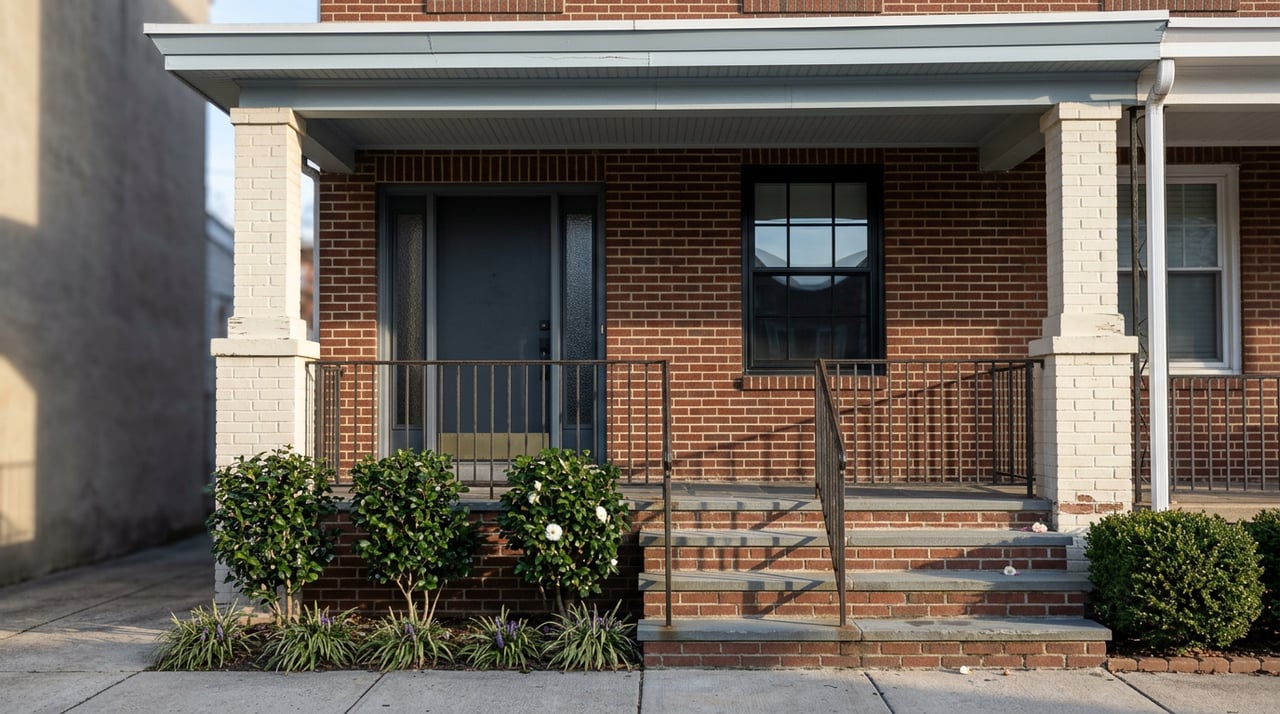
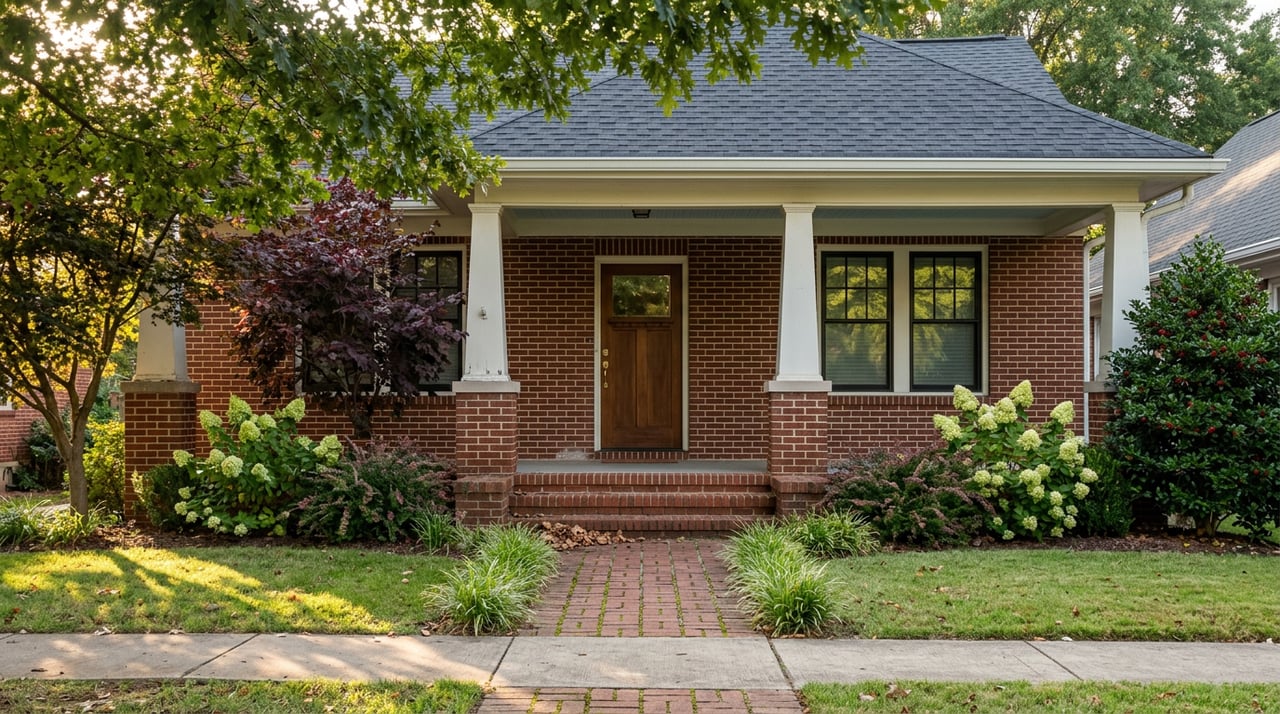
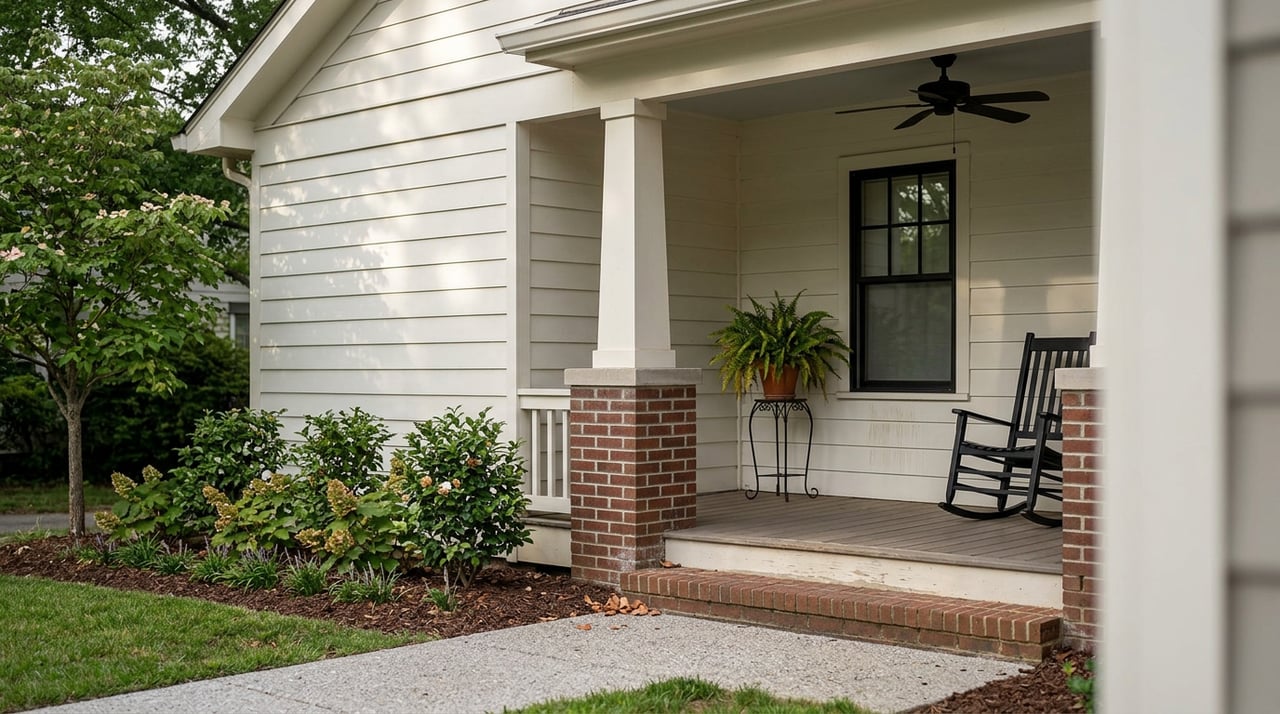
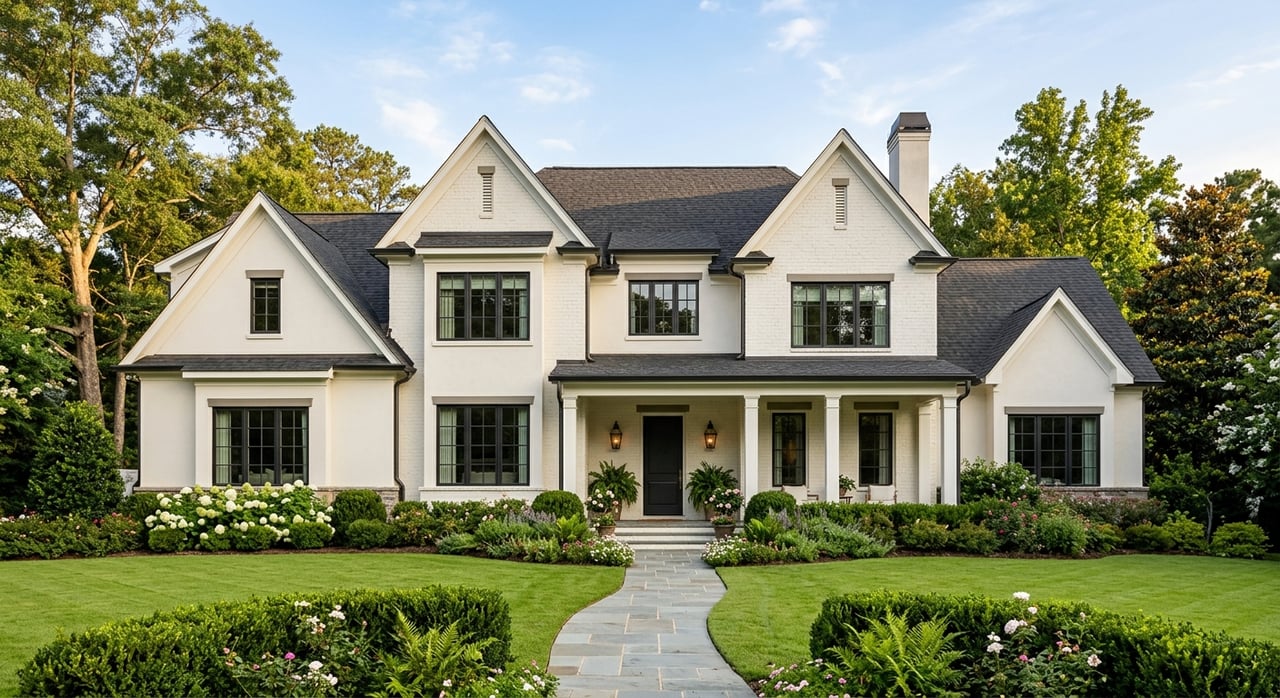
Housing near Marietta Square is older and more varied than what you might expect in a typical subdivision. The city’s design guidelines for the downtown historic district identify styles and house types that include Georgian House, Queen Anne Cottage and House, Gabled Wing Cottage and House, American Small House, Folk Victorian, Victorian, Neoclassical Revival, and Art Deco.
The same guidelines note that many buildings in the Marietta Historic District are vernacular. In plain terms, that means many homes are more modestly detailed and locally built, rather than architect-designed showpieces.
That is useful context if you are home shopping here. You may see cottages, older single-family homes, larger period houses, and later infill construction, often within a short distance of one another.
Historic District Rules Matter
If you are considering a home near the Square, historic district status is one of the most important practical details to confirm early. In local historic districts, exterior changes, demolition, and new construction generally require a Certificate of Appropriateness.
The city’s design guidelines say new work should be consistent with dominant neighborhood patterns such as orientation, setback, scale, rhythm, and overall streetscape character. That means renovation plans may involve more review than they would in a newer neighborhood.
This does not make historic properties harder to love. It simply means you should understand the review process before you buy, especially if you already know you want to make exterior updates or larger changes.
Walkability and Getting Around
Downtown Marietta is one of the city’s most walkable areas, according to local planning documents. The city’s broader vision for downtown emphasizes a place where traffic, transit, and pedestrians can move easily and safely.
That pedestrian focus shows up in planning and streetscape work as well. The Commercial Corridor Design Overlay promotes pedestrian mobility and safety, and the Roswell Street streetscape project added wide brick sidewalks, street lighting, street trees, and pocket parks.
For daily life, that can mean more flexibility in how you spend your time. You may still drive often, but being close to downtown can make it easier to enjoy meals, events, and weekend outings without feeling like every activity requires a long trip.
Parking Is Part of the Picture
Even with its walkable core, Marietta Square is not a car-free district. The city provides free 2-hour on-street parking throughout downtown, along with city lots and both city and Cobb County parking decks.
That matters because the Square attracts steady activity, especially on weekends and during major events. If you are picturing your future routine here, it helps to think in practical terms about when you would walk, when you would drive, and how event traffic may shape busy days.
Who This Area May Fit Best
Marietta Square and the nearby neighborhoods tend to fit buyers who want an active historic core paired with residential living close by. If you enjoy restaurants, markets, performances, and community events, the location offers many built-in ways to stay connected to the area.
It can also be a strong fit if you appreciate architectural variety. Instead of a neighborhood where every home follows the same pattern, you will find a collection of historic streets, districts, and enclaves with distinct personalities.
If you prefer a more subdivision-like setting, you may still find a good fit by looking a little farther out from the center, including areas like Cherokee Heights. That approach can keep you close to the Square while widening your options.
What to Keep in Mind While Home Shopping
When you tour homes near Marietta Square, focus on both lifestyle and logistics. The character is easy to appreciate, but the day-to-day details are what help you decide whether the area truly fits how you want to live.
A few smart questions to ask include:
- How close do you want to be to the Square’s restaurants, markets, and events?
- Is the property located within a local historic district?
- If so, are you comfortable with review requirements for exterior changes?
- Do you want a home with strong period character, or would later infill feel easier to maintain?
- Would you prefer the immediate downtown area or a nearby enclave about a mile out?
Those answers can help narrow your search much faster than square footage alone.
If you are exploring Marietta for a move, relocation, or your next home purchase, having neighborhood-level guidance can make a real difference. The Betsy Meagher Team can help you compare close-in options, understand how block-by-block character changes around the Square, and find the right fit for your goals.
FAQs
What is daily life like around Marietta Square?
- Daily life around Marietta Square centers on a walkable downtown with restaurants, shopping, theatres, museums, markets, and a steady calendar of festivals and concerts.
What neighborhoods are near Marietta Square?
- Nearby areas include Church-Cherokee Streets, Forest Hills, Kennesaw Avenue, Cherokee Heights, Whitlock Avenue, and the Downtown Marietta Historic District.
What types of homes are near Marietta Square?
- Homes near Marietta Square range from small apartments and modest condominiums to older single-family homes, cottages, larger period houses, and upscale residences.
What should buyers know about Marietta historic districts?
- Buyers should know that exterior changes, demolition, and new construction in local historic districts generally require a Certificate of Appropriateness from the city.
Is Marietta Square walkable?
- Local planning documents describe downtown Marietta as one of the city’s most walkable areas, with planning efforts focused on pedestrian mobility and safety.
Is parking available around Marietta Square?
- Yes, downtown includes free 2-hour on-street parking, city lots, and both city and Cobb County parking decks.