What if the most important part of your Inman Park home search is not the house itself, but how you reach the BeltLine from your front door? If you are drawn to intown Atlanta for walkability, trail access, and connected daily living, that detail can shape almost every decision you make. In Inman Park, BeltLine access affects convenience, housing type, competition, and even what future changes you may be able to make to a home. Let’s dive in.
Why BeltLine Access Matters
Inman Park is closely tied to the Atlanta BeltLine, especially the Eastside Trail. The BeltLine describes the overall project as a 22-mile network of parks, multi-use trails, transit, and affordable housing designed to improve mobility and connect intown neighborhoods. The Eastside Trail passes through Inman Park, which makes trail access a real part of how many buyers evaluate location.
That means “near the BeltLine” is not just a nice extra. In practice, it becomes a search filter. Atlanta’s Connect Atlanta Plan recommended stronger BeltLine crossings and local access tying Inman Park, Old Fourth Ward, and the East BeltLine together, so your exact block and route to the trail can matter as much as the neighborhood name on the listing.
Inman Park Is Not One-Size-Fits-All
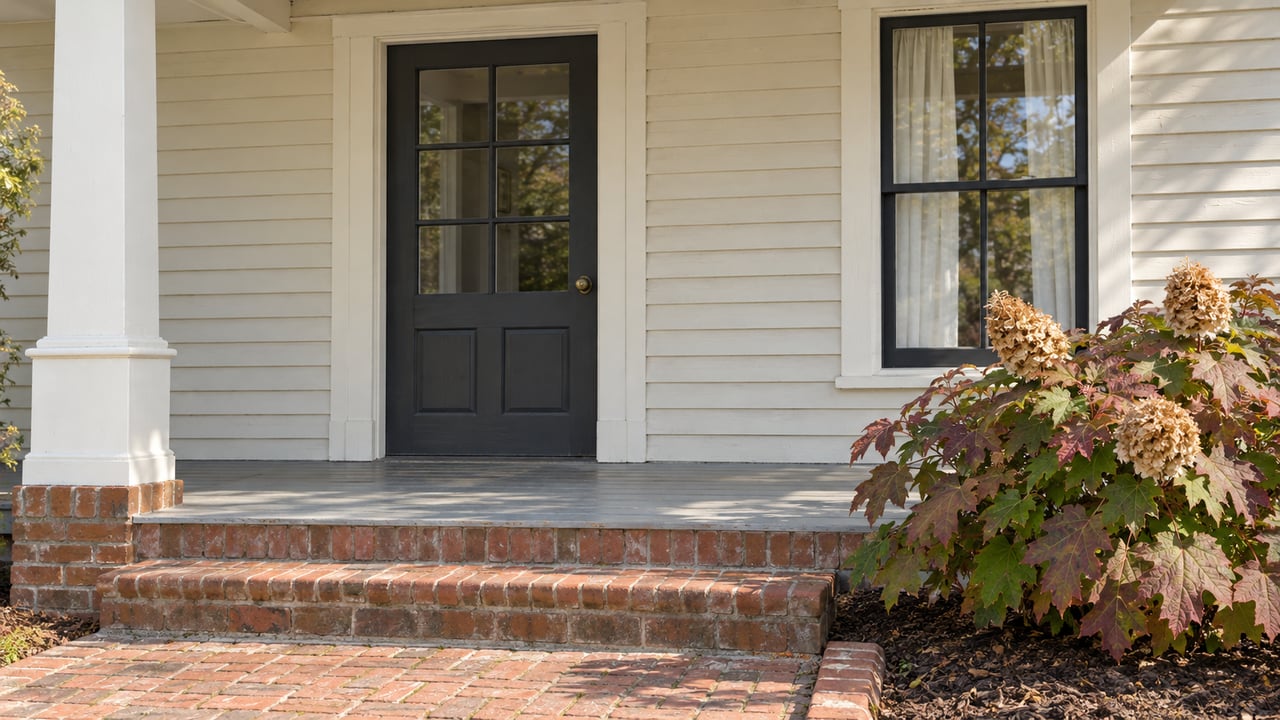
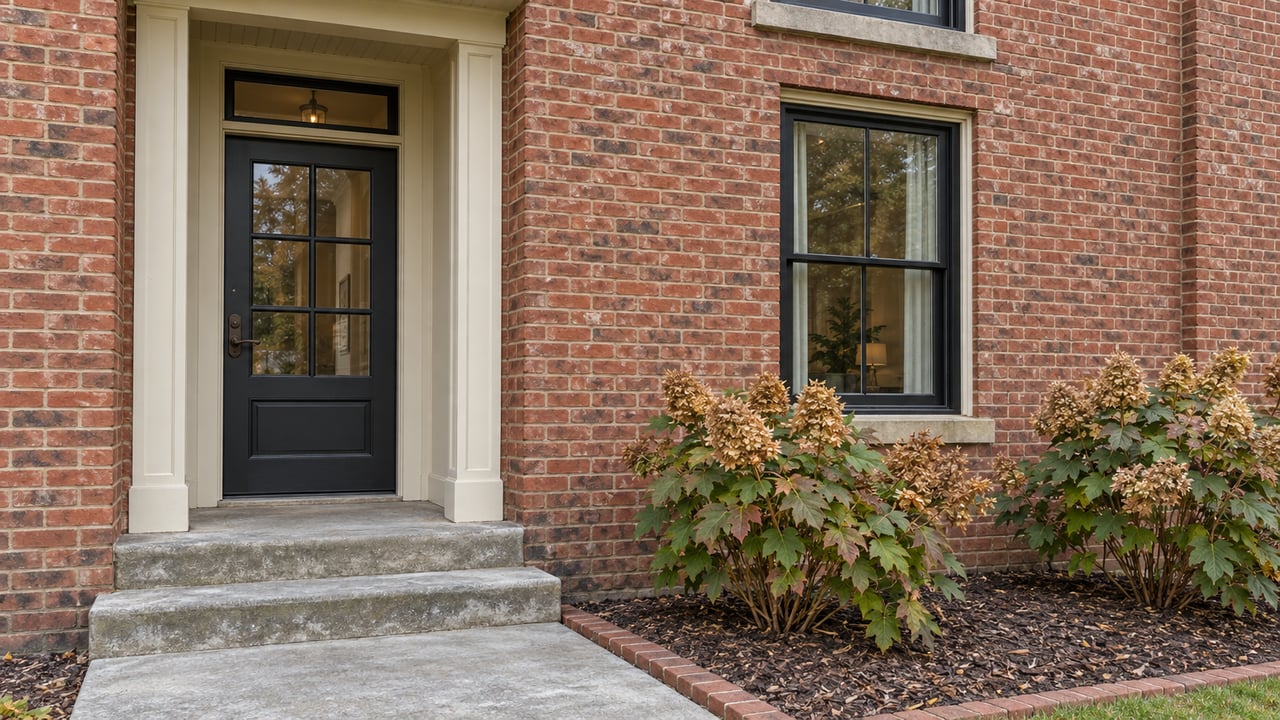
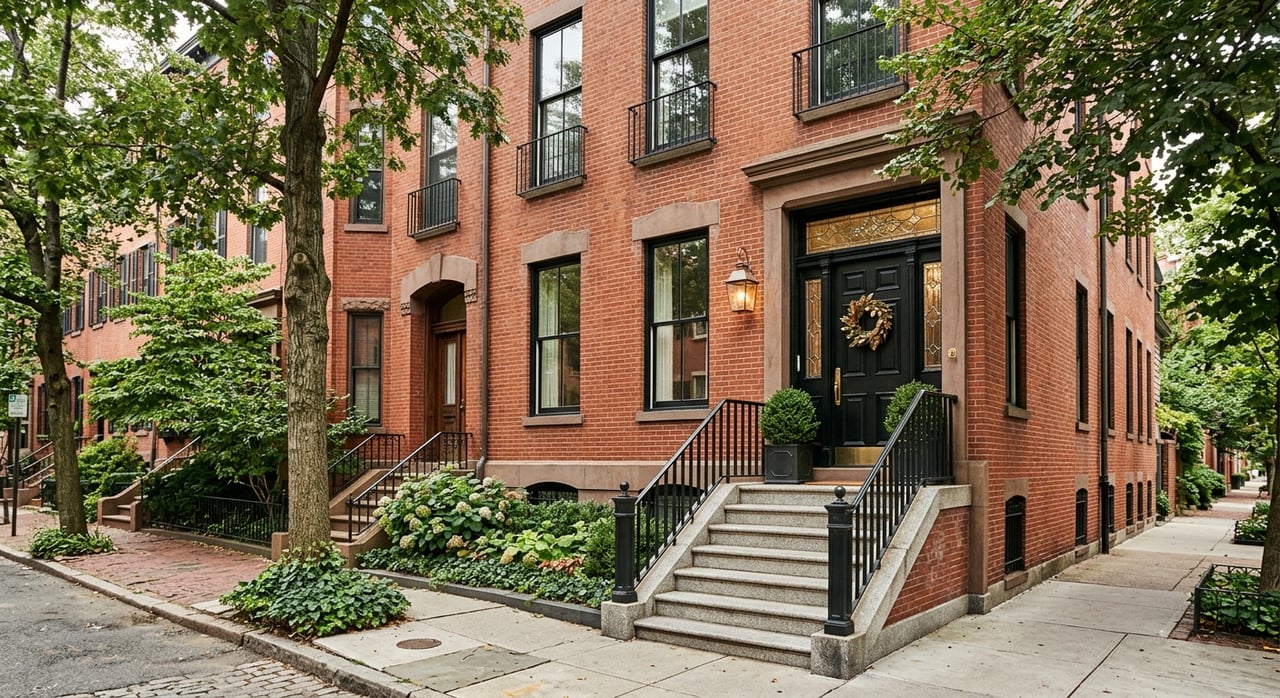
Inman Park is Atlanta’s first planned suburb, developed in the late 1880s in a garden-suburb style. It is also a City of Atlanta historic district, which gives the neighborhood a distinct look and feel that many buyers love. That historic status also affects what kinds of homes you will see and what ownership may look like over time.
When you search here, it helps to think of Inman Park as having different pockets with different tradeoffs. Areas closer to the trail and the Inman Park/Reynoldstown MARTA station often feel more convenience-driven, while the deeper historic core tends to offer more detached historic homes and a stronger preservation context.
What Homes Near the BeltLine Look Like
The MARTA station profile helps explain why housing options can vary around Inman Park’s edges. MARTA classifies Inman Park/Reynoldstown as a “Neighborhood” station, with higher-density housing and neighborhood-scale mixed use closest to the station, then lower-density housing farther away. The profile also notes multifamily development near the south end of the station area and commercial concentration near Moreland and DeKalb.
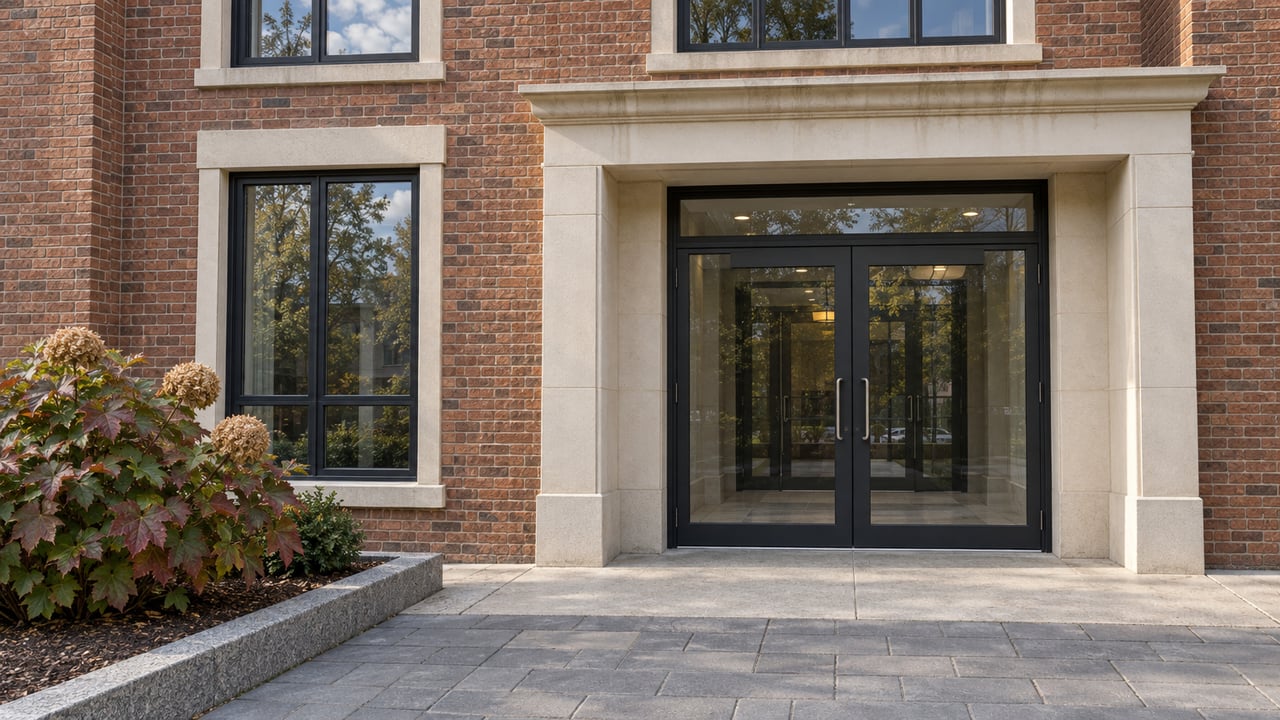
For you as a buyer, that often means condos and townhomes become more common near the station and trail edge. If your goal is easy access to both the BeltLine and rail transit, these homes may rise to the top of your list. They can support a more connected routine, especially if you want to do more of daily life on foot or with less driving.
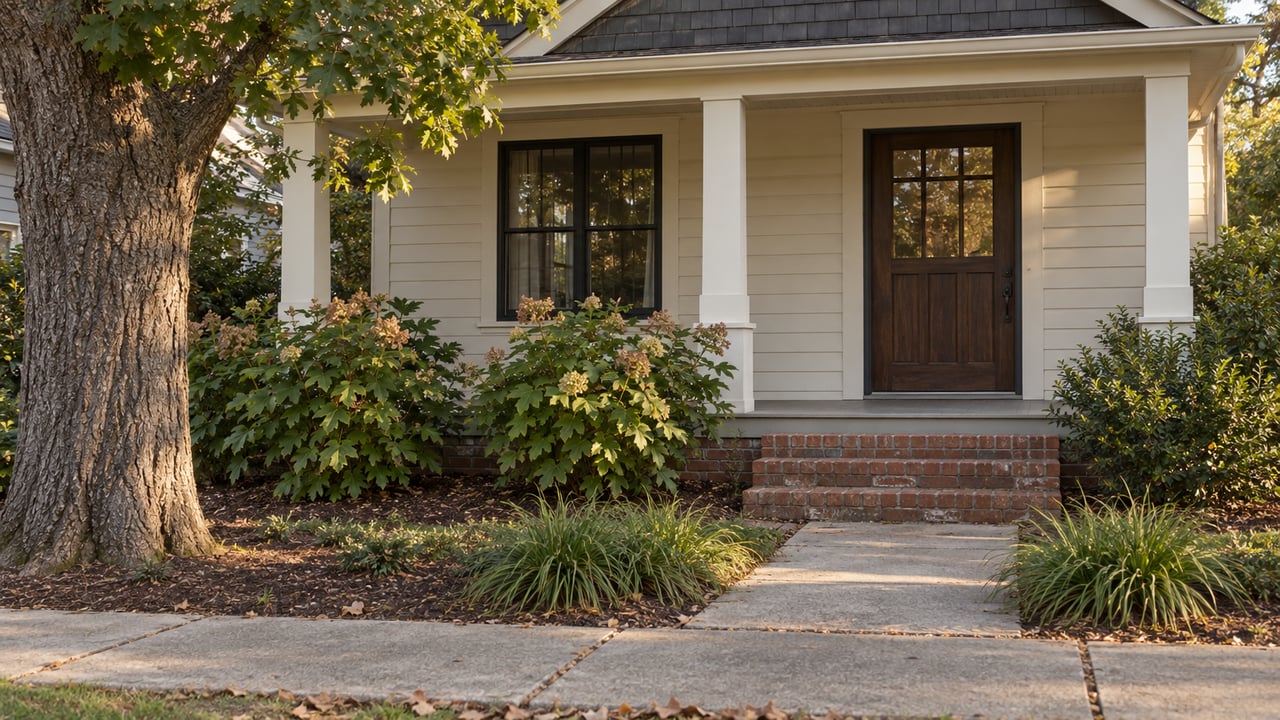
Farther inside the historic district, your options may shift toward detached homes with older architectural character. These homes can offer a very different ownership experience from a condo near a mixed-use pocket. The tradeoff is often less immediate transit convenience in exchange for a more traditional residential setting.
Why Exact Access Points Matter
One of the biggest mistakes buyers can make is assuming all of Inman Park offers the same BeltLine experience. It does not. Official access points vary by block, so two homes with the same neighborhood label may feel very different in everyday use.
A home that looks close on a map may not offer the easiest route to the trail. Street layout, crossings, and where the access points sit can all change how convenient the BeltLine actually feels when you are heading out for a walk, bike ride, commute, or dinner plan. In a neighborhood like Inman Park, micro-location matters.
BeltLine Access and Daily Routine
The Eastside Trail connects people to Historic Fourth Ward Park, Piedmont Park, Ponce City Market, and Krog Street Market. The BeltLine says the trail is designed to help people move through the city on foot, by bike, or scooter. That gives Inman Park buyers a practical lifestyle question to answer: how much do you want the trail to shape your weekly routine?
For some buyers, the answer is “a lot.” If you want quick access to parks, dining, and daily movement without relying on your car as much, a home near the trail or station may make the most sense. In that case, convenience may outweigh other priorities.
For others, the BeltLine is still a major plus, but not the only one. You may prefer a quieter residential feel deeper in the neighborhood and be comfortable with a little more distance from the most direct access points. That can be the right fit if architectural character, privacy, or a more established historic streetscape matter more to you.
Pricing Pressure Is Part of the Story
BeltLine access can also shape the financial side of your search. A Georgia State University summary found that from 2011 to 2015, homes within one-half mile of the BeltLine rose 17.9% to 26.6% more than homes elsewhere, depending on the segment studied. For buyers, the broad takeaway is simple: trail proximity tends to support stronger demand.
That does not mean every home near the BeltLine is automatically the best value. It means you should expect the amenity package to be part of the price. In Inman Park, that can create more competition for homes with the best mix of trail access, transit convenience, and neighborhood character.
This is why a smart search goes beyond asking, “Is it close to the BeltLine?” A better question is, “Does this specific location justify the price based on access, housing type, and long-term fit?” That is where neighborhood-level guidance can really help.
Affordability Efforts and Market Reality
The BeltLine’s impact on demand exists alongside active affordability efforts. In April 2026, Atlanta BeltLine, Inc. reported that it had reached 79% of its goal to create or preserve 5,600 affordable housing units by 2030, with 4,425 units delivered to date. The same update said nearly three-fourths of completed affordable units are reserved for households earning 60% of area median income or less.
The BeltLine also says its Legacy Resident Retention Program helps longtime homeowners cover property-tax increases through the 2030 tax year. These efforts matter because they show that growth and affordability are both part of the BeltLine story. Still, for a buyer searching in Inman Park today, it is important to recognize that strong demand near the corridor can tighten affordability and increase pressure on well-located homes.
Historic District Rules Can Affect Your Choice
If you are comparing a historic home in the core of Inman Park with a condo or townhome near the trail edge, future flexibility should be part of your decision. Because Inman Park is a historic district, visible additions and exterior alterations can require a Certificate of Appropriateness from the City of Atlanta. The city’s rules emphasize compatibility with historic massing, scale, materials, and window proportions.
That does not make historic homes less appealing. In fact, for many buyers, that architectural consistency is a big part of the neighborhood’s value. It simply means you should understand that exterior projects may involve more review than they would in a non-historic setting.
How to Search More Strategically
If you want BeltLine access in Inman Park, it helps to rank your priorities before you tour homes. That can keep you from overpaying for a feature you will not use often, or skipping a strong fit because it is not right on the trail.
Here are a few smart filters to use:
- Exact trail connection: Ask how direct the route is from the home to an official access point.
- Transit access: If MARTA matters to you, pay close attention to homes near the Inman Park/Reynoldstown station.
- Housing type: Decide whether a condo, townhome, or detached historic home best fits your lifestyle.
- Historic review: If you want to renovate exterior features later, understand the preservation rules early.
- Competition and pricing: Expect more demand where trail, station, and mixed-use convenience overlap.
Matching the Right Pocket to Your Lifestyle
In broad terms, buyers often find themselves choosing between two different versions of Inman Park living. One is more convenience-centered, with stronger ties to the trail, station, and mixed-use edges. The other leans more toward historic residential character, with detached homes and a deeper connection to the neighborhood’s original fabric.
Neither option is better across the board. The right choice depends on how you want to live day to day, what kind of home you want to own, and how you weigh convenience against character. The most successful home search usually starts there, not with price alone.
If you are thinking about buying in Inman Park, the best next step is to look beyond the headline of “BeltLine access” and focus on the details that actually shape daily life. The right block, access point, and housing type can make a huge difference in both your experience and your investment. When you want local guidance that connects the map, the market, and your goals, The Betsy Meagher Team is here to help.
FAQs
How does BeltLine access affect an Inman Park home search?
- BeltLine access works like a location filter in Inman Park because exact blocks, crossings, and trail connections can change convenience, home type, and buyer demand.
What types of homes are common near the BeltLine in Inman Park?
- Near the trail and the Inman Park/Reynoldstown MARTA station, you are more likely to see condos, townhomes, and mixed-use-adjacent housing than in the deeper historic core.
Why do exact BeltLine access points matter in Inman Park?
- Official access points vary by block, so two homes in Inman Park may offer very different day-to-day trail convenience even if both seem close on a map.
Does living closer to the BeltLine in Inman Park usually cost more?
- Homes near the BeltLine often see stronger demand, and research cited in this article shows that proximity to the corridor has been associated with higher value growth in some segments.
What should buyers know about historic homes in Inman Park?
- Inman Park is a historic district, so visible exterior changes to historic homes may require city review to make sure updates remain compatible with the district’s character.
Is the MARTA station important when buying in Inman Park?
- Yes, especially if you want a more transit-oriented lifestyle, because the Inman Park/Reynoldstown station helps connect the area to Buckhead, Midtown, Downtown, and the airport.