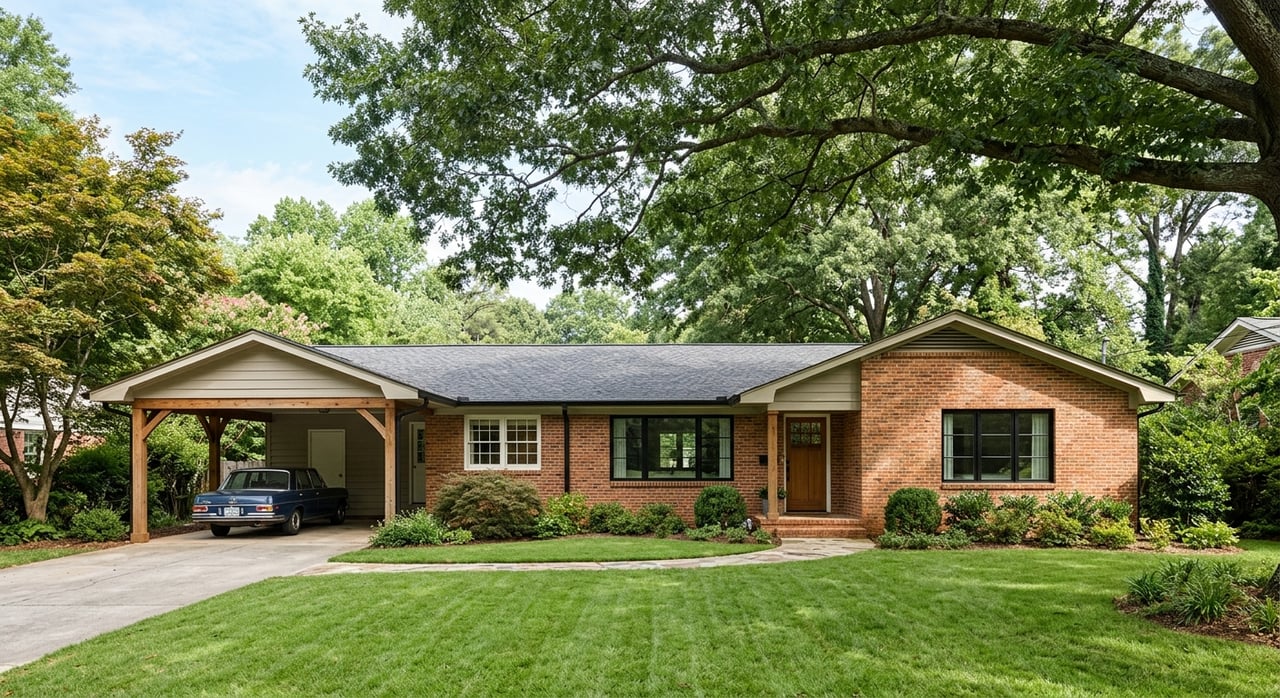
Ready to trade a turnkey search for real upside? In Southwest Atlanta’s westside neighborhoods, renovation-friendly homes can offer character, older lot patterns, and room to create value, but they also come with local rules that can shape your budget and timeline. If you want to buy smart, you need more than a vision board. You need to know where to look, what to verify, and how to spot a project you can actually manage. Let’s dive in.
Where to Start in Westside Atlanta
If you are searching for renovation potential in SW Atlanta, it helps to think in terms of official neighborhood areas rather than one broad market. The City of Atlanta places West End and Westview in NPU T, Adair Park in NPU V, Oakland City in NPU S, Capitol View, Capitol View Manor, Hammond Park, Perkerson, and Sylvan Hills in NPU X, Mozley Park in NPU K, and Cascade Heights in NPU I.
That matters because these neighborhoods often pair older housing stock with city planning frameworks that may influence additions, exterior updates, and long-term neighborhood evolution. In practical terms, you are more likely to encounter early- and mid-20th-century homes, established lot patterns, and review steps that can affect the scope of your renovation.
If a property is actually outside the City of Atlanta and in unincorporated Fulton County, the process can change. In that case, county planning, zoning, permitting, building inspections, and land-development inspections may apply instead of city review.
Neighborhoods That Deserve a Closer Look
West End and Westview
West End and Westview are logical starting points if you want older homes and a neighborhood context shaped by official planning. West End is a historic district in southwest Atlanta, and the city describes some of its earliest surviving homes as Queen Anne cottages and Victorian L houses.
Westview also sits within an adopted planning framework through the Westview Master Plan. For you as a buyer, that can make the area appealing for phased improvements, but it also means you should verify parcel-specific zoning, design, or preservation constraints before setting your renovation budget.
Adair Park
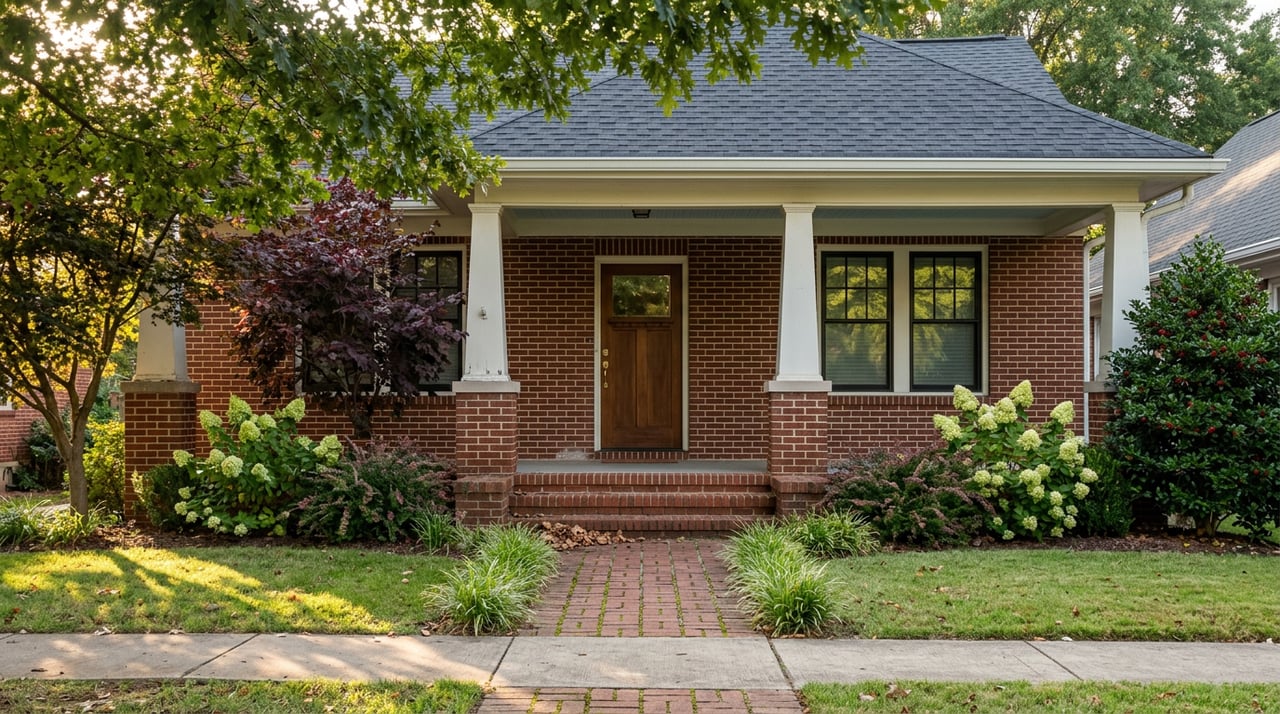
Adair Park is especially relevant if you are drawn to classic bungalow architecture. The city’s historic documentation describes the district as primarily residential, with homes originally built for single-family use or as duplexes, and notes that Craftsman bungalows are the dominant type.
You may also see Folk Victorian, transitional folk-to-bungalow, and some Tudor Revival influences. If you love original details and want a project with architectural personality, Adair Park is worth watching closely.
Oakland City
Oakland City is an official City of Atlanta historic district. That does not automatically make a renovation difficult, but it does mean you should assume some homes may involve added historic-review considerations, especially if the property is a contributing resource or if you plan to make exterior changes.
For many buyers, the key here is not to rule out the neighborhood. It is to build a realistic timeline and verify review requirements before you write an offer or finalize your numbers.
Capitol View, Capitol View Manor, and Sylvan Hills
These neighborhoods sit within adopted plans through the District 12 Neighborhood Blueprint Plan. That makes them strong candidates if you are looking for homes where phased improvements may align with broader neighborhood planning.
Still, not every house will present the same level of opportunity. Before you price a renovation, confirm whether the specific lot has zoning, design, or preservation constraints that could affect what you want to do.
Mozley Park and Cascade Heights
Mozley Park and Cascade Heights are adjacent westside options to keep on your radar. They are part of the broader set of official westside neighborhood areas that can make sense for buyers looking for renovation potential in established Atlanta communities.
As with the other neighborhoods, your best next step is parcel-level due diligence. A promising location is only part of the equation.
What Makes a Home Renovation-Friendly
A renovation-friendly home is not always the cheapest one or the one with the flashiest before-and-after potential. In SW Atlanta, the better opportunity is often the house where the structure, lot, and local rules give you a clear path forward.
Older homes can offer strong bones, original character, and layouts worth improving over time. But before you focus on finishes, start with the practical questions that shape cost and feasibility.
Look closely at:
- Jurisdiction, meaning City of Atlanta versus unincorporated Fulton County
- Zoning and whether your plans trigger approvals or limitations
- Historic district status and any exterior review requirements
- Permit history, if available
- Lead risk in older homes
- Flood and drainage considerations
When those boxes check out, you can evaluate cosmetic updates with more confidence.
Due Diligence Before You Buy
Confirm zoning and permit triggers
In the City of Atlanta, zoning districts regulate height, size, placement, density, and parking. The city also states that permits are required unless exempt before construction, alteration, repair, demolition, or installation work.
Depending on the project, inspections may include foundations, framing, insulation, drywall, trade work, arborist review, environmental compliance, and right-of-way inspections. If you are looking at a one- or two-family residence, technical permits for plumbing and electrical work can be submitted online.
Check historic status early
If you are considering a home in a historic district, verify that status before you make plans for the exterior. Atlanta’s Urban Design Commission reviews Certificates of Appropriateness, and the city states that historic-preservation districts can impose controls on setbacks, heights, materials, and facade character.
The city also encourages applicants to meet with neighborhood organizations before a public hearing, even though that meeting is not required by ordinance. That step can affect your timeline, so it is wise to account for it from the start.
Treat tree impacts seriously
Tree-related review is not a small detail in Atlanta. Effective June 25, 2025, the city requires a formal Arborist Meeting before submitting any permit application that could affect trees, and applications without that documentation are not accepted.
If your renovation may involve additions, grading, driveway changes, or other site work near trees, this should be part of your planning from day one.
Assume lead risk in older homes
If the home was built before 1978, lead-based paint risk should be part of your due diligence. EPA states that most buyers of pre-1978 housing have the right to disclosure information and a 10-day period to conduct a paint inspection or risk assessment.
EPA also recommends lead-safe certified contractors for renovation, repair, and painting work that disturbs paint in pre-1978 homes. In a neighborhood with older housing stock, that can be an important line item in your renovation planning.
Review flood and drainage conditions
Flood and drainage risk can change both your renovation budget and your comfort level with a property. FEMA’s Map Service Center is the official source for National Flood Insurance Program flood hazard information, and the City of Atlanta’s Watershed Management department maintains local floodplain information and handles stormwater management.
Before you move forward, make sure you understand the site conditions and whether water management issues could affect improvements.
Watch permit expiration timelines
Permits do not stay valid forever. Atlanta states that an expired building permit becomes invalid and requires a new application, though the city also implemented a simplified renewal pathway for certain residential projects effective March 16, 2026.
If you are buying a home with partially completed work or inherited plans, this is worth checking right away.
Budget for More Than Construction
One of the biggest mistakes renovation-minded buyers make is underestimating soft costs. In SW Atlanta, your budget should separate hard costs from the review and compliance costs that can shape the project behind the scenes.
Your soft-cost bucket may include:
- Permit fees
- Required inspections
- Historic-review time, if applicable
- Arborist review for tree impacts
- Lead-safe testing or containment for pre-1978 homes
This is why the best renovation opportunity is not always the one with the lowest purchase price. A more expensive home with fewer review hurdles can sometimes be the more manageable and more predictable project.
Prioritize Systems Before Style
It is easy to get excited about kitchens, tile, and paint colors. But Atlanta inspections commonly focus on foundations, framing, insulation, and trade work, which is a helpful reminder of where your first dollars often need to go.
In most cases, it makes sense to address structure, roof, moisture issues, electrical, plumbing, and HVAC before cosmetic updates. That approach can help you protect your budget and avoid spending on finishes before the core house is sound.
Financing Options for Renovation Buyers
If you do not want to fund the full project in cash, there are mainstream renovation-loan options worth comparing. HUD’s Section 203(k) Rehabilitation Mortgage Insurance Program allows borrowers to finance the purchase or refinance of a home that is at least one year old along with rehabilitation costs.
Fannie Mae’s HomeStyle Renovation product also allows borrowers to purchase or refinance and roll in repair, remodeling, renovation, or energy-improvement costs. Eligibility varies by product and property type, so confirm occupancy, lender, and property rules before you structure your offer.
A Smart Search Strategy
When you are searching for renovation-friendly homes in Westside Atlanta, it helps to narrow your process. Instead of chasing every listing with old-house charm, focus on homes where the location, condition, and review path line up with your budget and timeline.
A practical strategy is to:
- Start with West End, Westview, Adair Park, Oakland City, Capitol View, Capitol View Manor, Sylvan Hills, Mozley Park, and Cascade Heights.
- Confirm whether the home falls under City of Atlanta or unincorporated Fulton County jurisdiction.
- Verify zoning, historic status, and likely permit triggers.
- Review lead risk, flood or drainage concerns, and tree impacts.
- Budget for systems and soft costs before pricing cosmetic upgrades.
That process can help you separate a house with real potential from one that only looks promising at first glance.
Finding the right renovation home in SW Atlanta takes patience, local knowledge, and careful planning. But when you understand where to look and how to evaluate the moving parts, you can approach the search with more confidence and fewer surprises. If you want help identifying opportunities and pressure-testing the numbers before you buy, The Betsy Meagher Team would love to help.
FAQs
Which Westside Atlanta neighborhoods are good places to start for renovation-friendly homes?
- A strong starting list includes West End, Westview, Adair Park, Oakland City, Capitol View, Capitol View Manor, Sylvan Hills, Mozley Park, and Cascade Heights.
How can you tell if a SW Atlanta renovation project is manageable?
- Start by confirming jurisdiction, zoning, historic status, permit history, lead risk, and flood or drainage conditions before estimating cosmetic updates.
What should you know about historic homes in Southwest Atlanta before renovating?
- If a home is in a historic district, exterior changes may require review through Atlanta’s preservation process, and the city notes that neighborhood input is commonly encouraged before a public hearing.
What costs should you budget for beyond construction on a Westside Atlanta renovation?
- In addition to hard construction costs, plan for permit fees, inspections, possible historic-review time, arborist review for tree impacts, and lead-safe testing or containment for older homes.
Can you finance a renovation-friendly home purchase in SW Atlanta?
- Yes. HUD 203(k) and Fannie Mae HomeStyle Renovation are two key renovation-loan options to compare, though eligibility depends on the product, property type, and lender requirements.